Saltwater

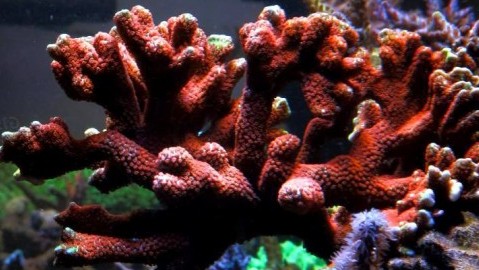
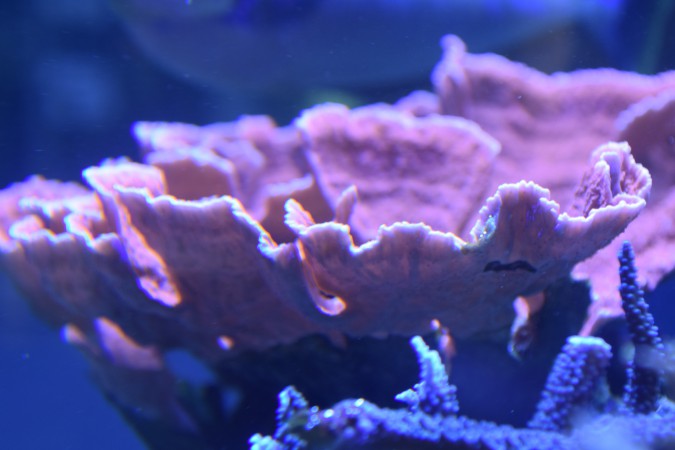
  • Red Montipora Capricornis

    General information In general, corals coming from the genus Montipora takes several coral lifeform like submassive, laminar, foliaceous, encrusting and branching. Their appearance and coloration is usually mottled in nature.  They have corallites that are considered one of the smallest as far as the family of corals is concerned. Their walls usually has an elaborate structure…
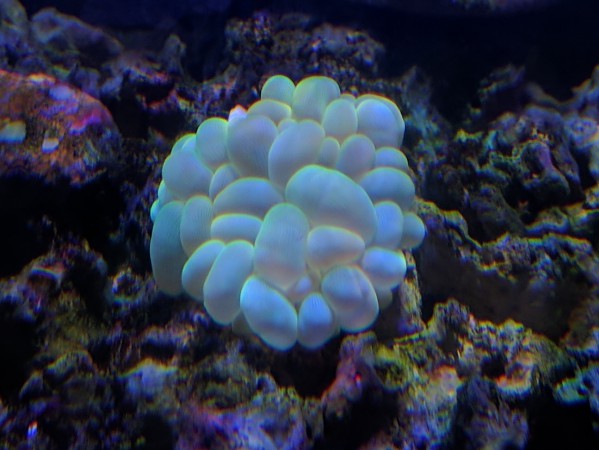
  • Green Bubble Coral Plerogyra

    General information In general, corals from the genus Plerogyra has a skeletal structure that is classified as flabello-meandroid. This means that their skeleton is not solid and not continuous. But instead, their skeletal structure has depressions or valleys. Their polyps can expand in a relatively large size that usually takes the form of grapes, tubes…

  • Horizon Zoas

    General information <div class="more_detail"> <div class="more_detail">Zoanthids feature a hard exoskeleton and is considered one of the most durable inhabitants in a reef aquarium making them the perfect piece for newbie aquarist. Their appearance resembles like a cluster of miniature sea anemones that often creates a hard matting appearance. While they look similar with sea anemones,…

  • Pipe Organ Coral

    General information In general, corals coming from the genus Tubipora has a network of calcium-based skeleton that is arranged in rows and looks like a musical instrument called Pipe Organ. Each of the tube is composed of several polyps that has 8 feather-like tentacles. Their skeleton is colored red, but is usually not seen since…

  • Orange Branched Montipora

    General information In general, corals coming from the genus Montipora takes several coral lifeform like submassive, laminar, foliaceous, encrusting and branching. Their appearance and coloration is usually mottled in nature.  They have corallites that are considered one of the smallest as far as the family of corals is concerned. Their walls usually has an elaborate structure…
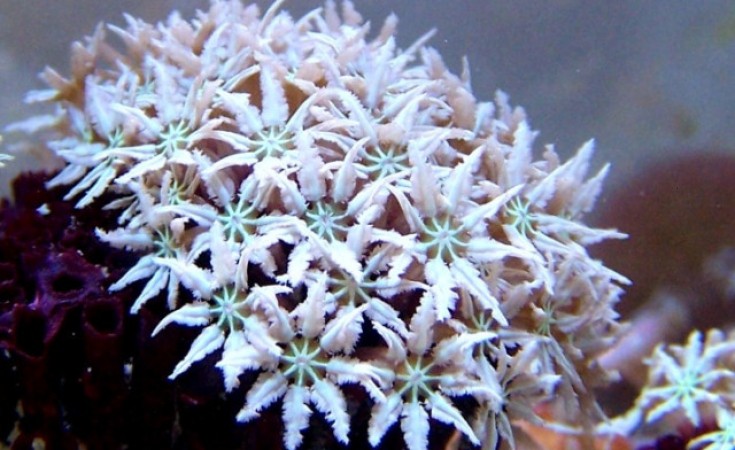
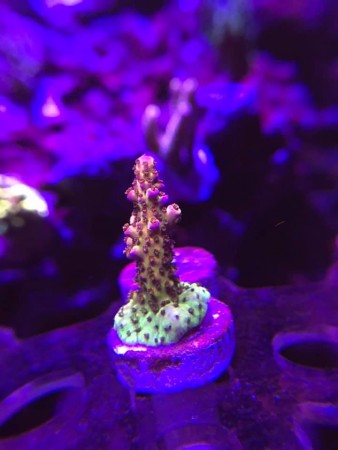
  • Pink Millepora Acropora

    General information In general, species from Acropora may grow either as a plate, slender or broad branching type of reef building corals. Each branch has several colonies that is composed of several corallites. When undisturb, their polyps will extend. But it will retract and hide inside the pores as a response to water movement or…

  • Pineapple Brain Coral

    General information In general, the genus Favia have large coral colonies that are circular in shape and comes in the form of massive, submassive and encrusting type. At a first glance, you can mistakenly identify Favia with Favites. However, with a closer look, Favia and Favites can easily be differentiated. Favites have corallite walls that…

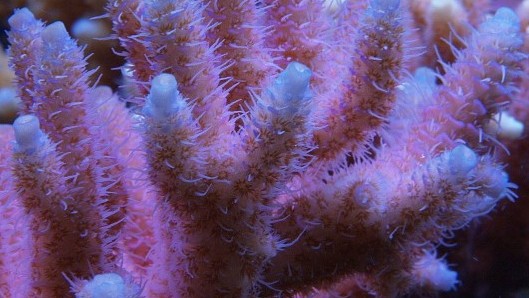
  • Blue Branching Acropora Coral

    General information The Branching Acropora Coral in this blue color morph exudes a delicate beauty. Tightly packed branches and nariform (nose-shaped) corallites resemble floral clusters that make it easy to imagine an established patch of Branching Acropora Coral as a picturesque flush of spring blossoms. The Branching Acropora Coral makes a remarkable addition to a…

  • PC Rainbow Acropora

    General information In general, species from Acropora may grow either as a plate, slender or broad branching type of reef building corals. Each branch has several colonies that is composed of several corallites. When undisturb, their polyps will extend. But it will retract and hide inside the pores as a response to water movement or…

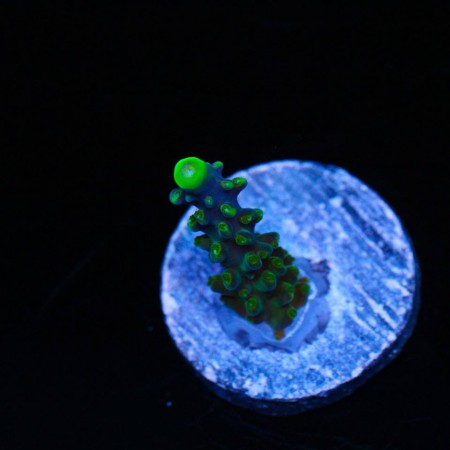
  • Blue Rocket

    General information In general, species from Acropora may grow either as a plate, slender or broad branching type of reef building corals. Each branch has several colonies that is composed of several corallites. When undisturb, their polyps will extend. But it will retract and hide inside the pores as a response to water movement or…