-
-
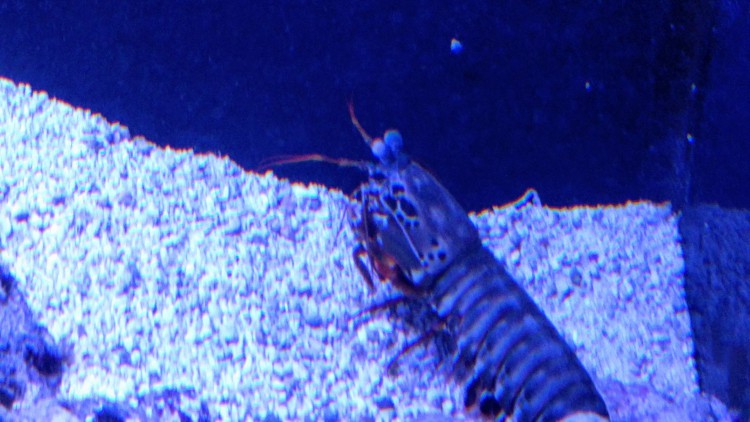
Mantis Shrimp
General information Despite their common name, they aren’t really shrimps, as they belong to a different taxonomic group with the Phylum Arthropoda. “Real” shrimps belong to the Order Decapoda, but mantises belong to the Order Stomatopoda and are properly called stomatopods. While there are numerous features that set shrimps and stomatopods apart, the most obvious…
-
Nerite Snail
General information The Nerite Snail comes from the inner tidal areas of the Pacific and Caribbean Oceans and has a rounded shell. This snail does not grow very large, and the coloration is brown to black. They are wonderful scavengers for reef aquariums as they remain small and with their rounded shells, rarely knock over…
-
Crocea Clam, Blue
General information Tridacna crocea are beautiful clams oftentimes displaying a variety of colorations with intricate patterns. These clams are capable of reaching a maximum size of 6" in the wild. The Crocea Clam can penetrate through limestone substrates by releasing an acid to break down the carbonate in the stone. It uses the ridges of…
-
Squamosa Clam
General information The Squamosa Clam is also referred to as the Scaled Clam, as its species name ‘Squamosa’ is the Latin word for ‘scale’. The numerous rows of large scales over its entire shell are often used as a shelter by other organisms, such as small crabs, bivalves, and other sessile invertebrates. The shell is…
-
Bulb Anemone
General information The Bulb Anemone can develop a unique bulb tip at the end of its tentacles. When hungry, will stretch its sweeper tentacles to grab food from the water column. After feeding, the tentacles then shorten again and take on their bulbous appearance. Generally, Bulb Anemones from Fiji and Tonga are shaded in soft…
-
-
-
-