-
-
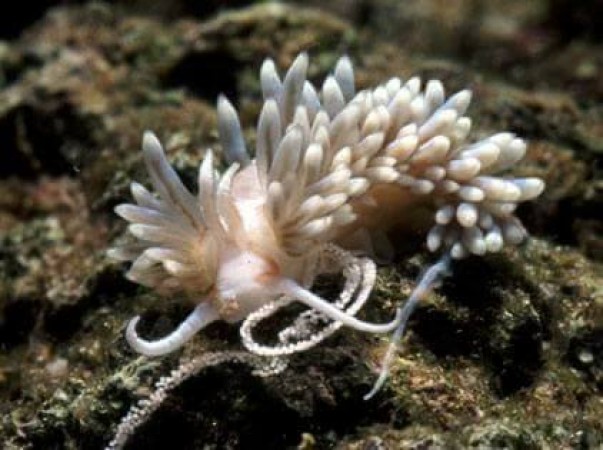
Berghia Nudibranch
General information The Berghia Nudibranch can biologically target and remove Aiptasia and the Berghia Nudibranch has been proven to be successful in this endeavor. They can be extra effective if kept in groups. They are best housed in tanks with plenty of live rock and away from aggressive predators.
-
-
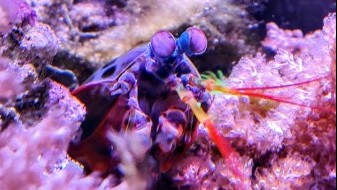
Peacock Mantis Shrimp
General information Despite their common name, they aren’t shrimps, as they belong to a different taxonomic group with the Phylum Arthropoda. “Real” shrimps belong to the Order Decapoda, but mantises reside to the Order Stomatopoda and are appropriately called stomatopods. While numerous features set shrimps and stomatopods apart, the most obvious is the possession of…
-
-
-
Red Brittle Sea Star
General information The Red Brittle Sea Star is common throughout the Caribbean and has a very small red central disc, which may have variable patterns. The long spiny red arms are fringed with white spines, and have a white pattern. It is nocturnal and often hides under
-
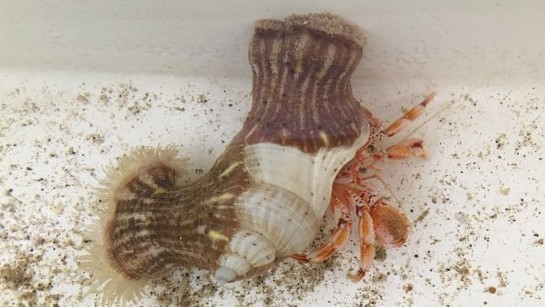
Hermit Crab with Anemone
General information The hermit crab, Dardanus sp., is very unique because of its symbiotic relationship with the sea anemone, Calliactis polypus. The two have a mutual relationship wherein the crab helps the sea anemone spread out in the wild while the anemone protects the crab through forming a camouflage. However, this crab is aggressive, making…
-
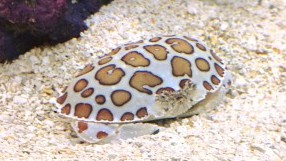
Calico Crab
General information The calico crab is white in color with red patches that have darker-colored outline all over its carapace. Its carapace is nearly round in shape and can grow up to 3 inches wide. Its claws are broad. It lives 46 m (151 ft) below the sea and it prefers sandy and muddy substrates.
-
Red Sea Star
General information The color of the Orange Sea Star, or Starfish, may range from orange to red. It can have a variety of surface textures depending upon the locale. Some Echinaster Sea Stars have 6 arms. It prefers a sandy, coral rubble substrate, or, especially live rock with algae. It moves over the surface, eating…