Saltwater

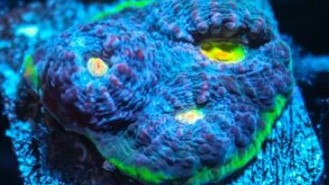
  • Golden Age Chalice

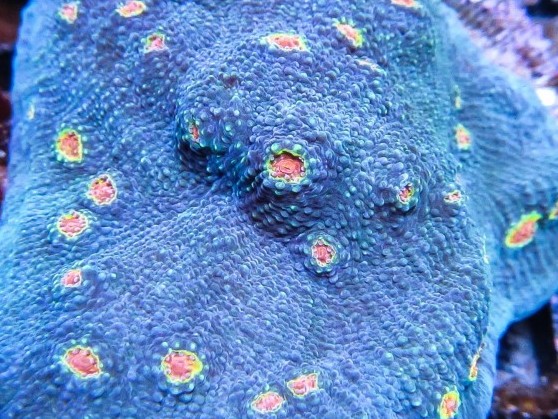
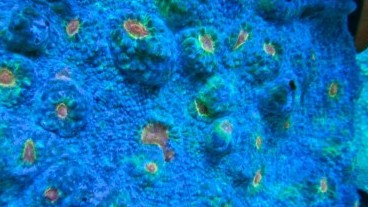
    General information In general, species from Echinophyllia has an encrusting growth where their colonies can form folds or cups. The corallites that are located at the middle are usually elevated with warty bumps. The color of their mouth usually has a different color from their fleshy body. For the Golden Age Chalice Echinophyllia, they are…

  • Gauntlet Chalice

    General information In general, species from Echinophyllia has an encrusting growth where their colonies can form folds or cups. The corallites that are located at the middle are usually elevated with warty bumps. The color of their mouth usually has a different color from their fleshy body. This are the water parameters for cultivating Gauntlet…

  • Rainbow Delight Chalice

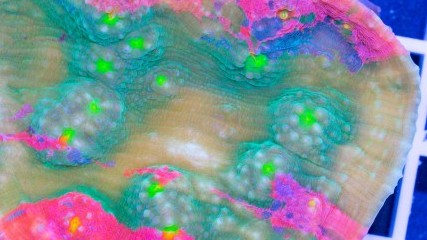
    General information In general, corals coming the genus Oxypora takes the encrusting, submassive and laminar types of coral growth. They have colonies that is composed of several corallites which are often porous and brittle. This means that they can easily be broken. If you are able to touch the underside of this coral, you will…

  • Thunder and Lightning Chalice

    General information In general, corals coming from the genus Mycedium takes the flat, laminar plane or plate type of coral growth. Their colonies have several plates that may originate from different points or planes. One distinct characteristics for a Mycedium coral is that their corallites are raised, tubular and has angular outward growth that forms…

  • 7 Star Favites

    General information In general, corals from the genus Favites looks similar to a Favia coral. But having a closer look allows you to spot a major difference which makes Favites a unique coral genera. You have to take note that the corallite walls of Favia corals are fused while the Favites are not. Although it…

  • Black Hole Favia

    General information In general, the genus Favia have large coral colonies that are circular in shape and comes in the form of massive, submassive and encrusting type. At a first glance, you can mistakenly identify Favia with Favites. However, with a closer look, Favia and Favites can easily be differentiated. Favites have corallite walls that…

  • Buzz Kill Cyphastrea

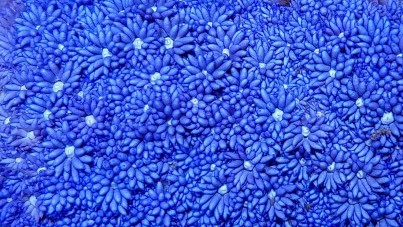
    General information In general, species from Cyphastrea are fast growing when you compare it to other mound-building corals. They usually grow in an encrusting form and can visually see a difference in size within 6 months. Newbies can cultivate Cyphastrea since they are easy to care and maintain. They can grow in a wide range…

  • Barney Blasto

    General information In general, the Blastomussa corals has many small corallites that is usually swollen and round in shape. When the polyps are out,  the entire colony will look similar to a mushroom anemone. For the Barney Blasto Colony, they are predominatly colored violet with green mouth. This are the water parameters for cultivating Barney…