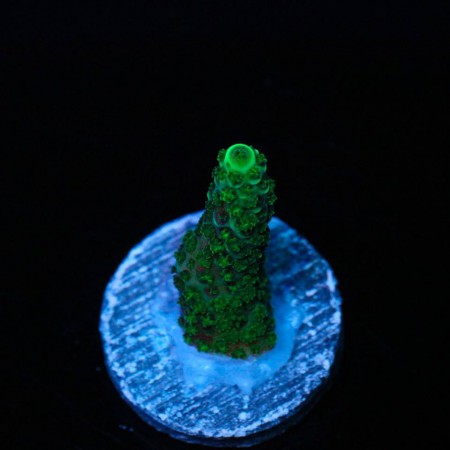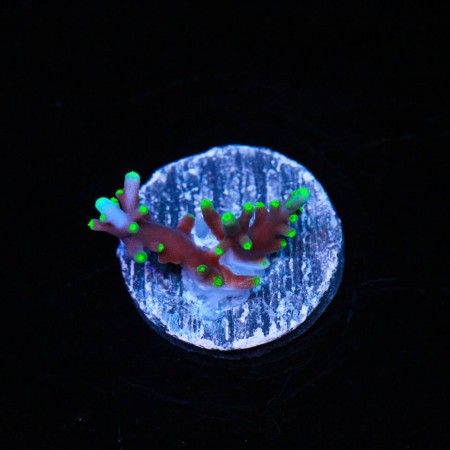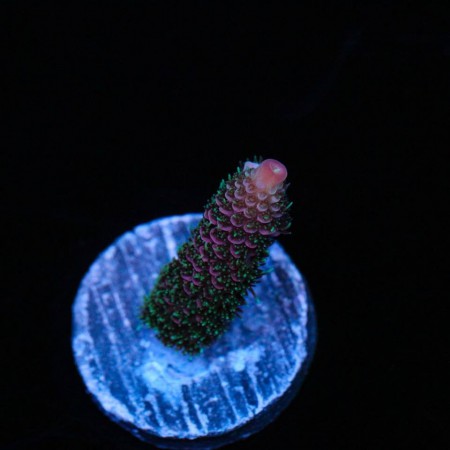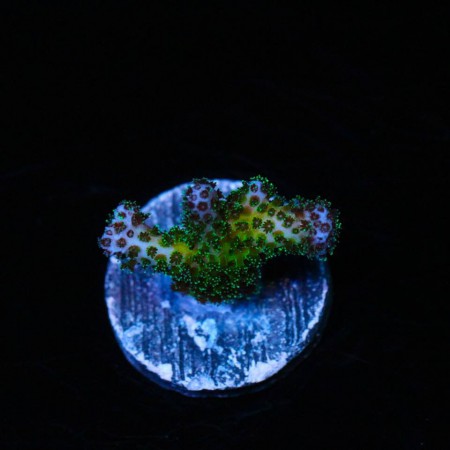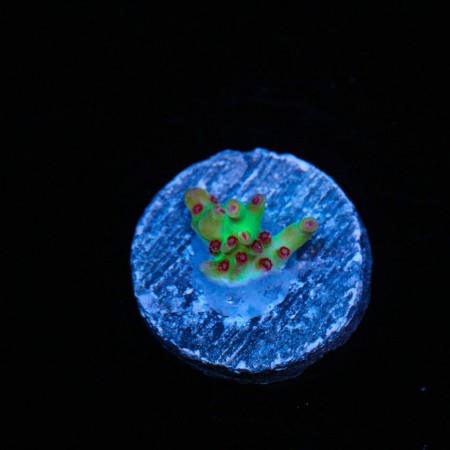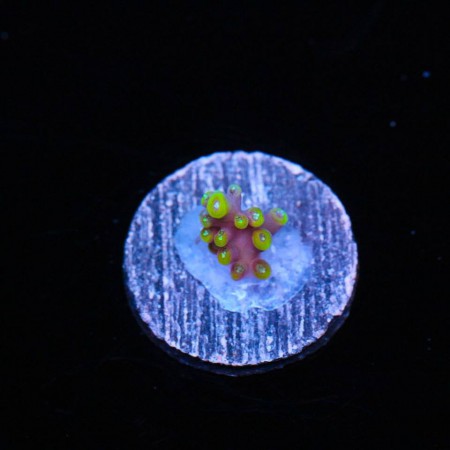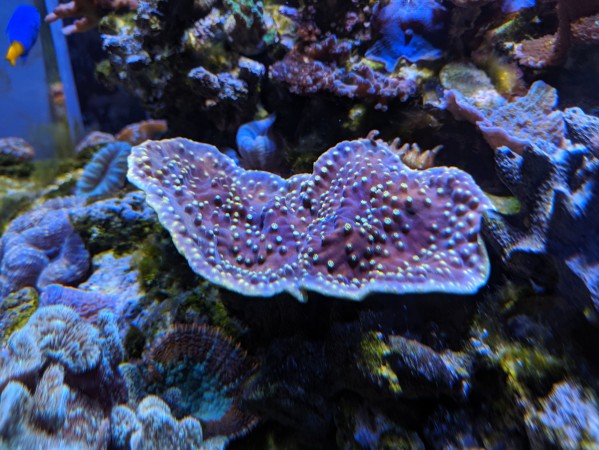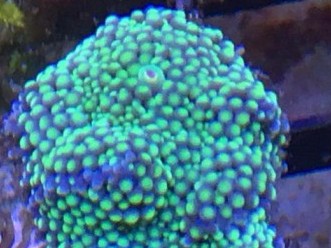
Eggplant Acan
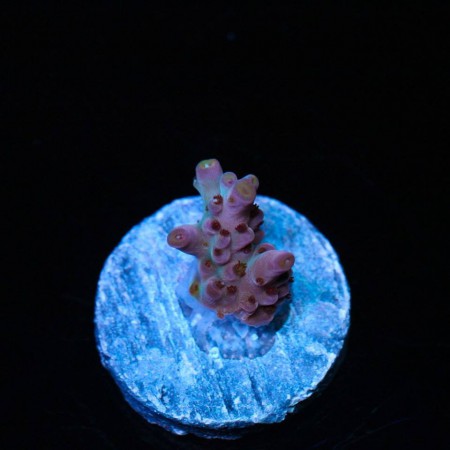
General information Stay within the range: Calcium: 400 – 450 ppm Alkalinity: 3.2 – 4.8 MEQ/L Phosphates: 0 Magnesium: 1200 – 1350 Strontium: 8 – 10 Temperature: 76° – 83° F (24° – 28° C) Salinity / Specific Gravity: 1.023 – 1.025
General information In general, the Blastomussa corals has many small corallites that is usually swollen and round in shape. When the polyps are out, the entire colony will look similar to a mushroom anemone. For the Blastomussa M, they are predominatly colored red with violet mouth. This are the water parameters for cultivating Blastomussa M:…
General information Stay within the range: Calcium: 400 – 450 ppm Alkalinity: 3.2 – 4.8 MEQ/L Phosphates: 0 Magnesium: 1200 – 1350 Strontium: 8 – 10 Temperature: 76° – 83° F (24° – 28° C) Salinity / Specific Gravity: 1.023 – 1.025
General information In general, corals coming from the genus Scolymia are round solitary corals that has a single mouth located at the center. Their coloration usually has an alternating radial bands with a cup, saucer, flat or dome shaped variations. As for the Bleeding Apple Scoly, they are predominantly colored green with orange perpendicular lines….
General information In identifying the Electric Green Acan, focus your sight to their mouth where you can see an electric green coloration, thus its name. This is the ideal range of water parameters for raising Electric Green Acan in captivity: Calcium: 400 – 450 ppm Alkalinity: 3.2 – 4.8 MEQ/L Phosphates: 0 Magnesium: 1200 –…
General information In general, corals from the genus Euphyllia have long tentacles that may stretch out 2 to 4 inches and are usually extended out most of the time. When the polyps are retracted, you can clearly see that each corallite is completely separated from each other and is encased by its own wall. For…
General information In general, corals coming from the genus Platygyra either comes in a massive or encrusting form. Instead of the typical circular shaped wall which is common in the Faviidae family, their corallite walls are long and elongated that usually creates a maze-like pattern. For the Keylime Ridge Platygyra Brain, they are predominatly colored…
General information In general, the genus Favia have large coral colonies that are circular in shape and comes in the form of massive, submassive and encrusting type. At a first glance, you can mistakenly identify Favia with Favites. However, with a closer look, Favia and Favites can easily be differentiated. Favites have corallite walls that…
General information In general, corals coming from the genus Montipora takes several coral lifeform like submassive, laminar, foliaceous, encrusting and branching. Their appearance and coloration is usually mottled in nature. They have corallites that are considered one of the smallest as far as the family of corals is concerned. Their walls usually has an elaborate structure…
General information In general, corals from the genus Favites looks similar to a Favia coral. But having a closer look allows you to spot a major difference which makes Favites a unique coral genera. You have to take note that the corallite walls of Favia corals are fused while the Favites are not. Although it…