
Tan True Carpet Anemone
Stichodactyla gigantea
Saltwater Invertebrate
Species Group: Anemones
Family: Stichodactylidae
Log in or create an account to add this species to your tanks.
No image yet
Water parameters
Temp
76-80 F
Temperature
Maintaining a stable and appropriate temperature is critical for the survival of aquatic life.
pH 7.8 - 8.4 potential of HydrogenMeasuring the acidity or alkalinity of water on a 0–14 scale, where 7 is neutral, 7 is alkaline.
NO3 1-20 ppm NitrateWhile less toxic than ammonia, high nitrate levels (above 40–80 ppm) are important to monitor because they can cause fish stress, stunted growth, and harmful algae blooms.
NO2 <0.0001 ppm NitriteIt is a highly toxic, intermediate compound in the nitrogen cycle produced from broken-down ammonia
PO4 0.01 - 0.1 ppm PhosphateIt is essential for plant development but must be managed, as excess levels trigger nuisance algae blooms and inhibit coral calcification.
NH3 <0.1 ppm AmmoniaIt is the primary killer of aquarium fish, causing gill damage, stress, and death
Ca 380 - 450 ppm CalciumSupporting the growth, skeletal structure, and shell formation of corals, mollusks, crustaceans, and coralline algae
KH 8 - 12 dKH AlkalinityIt acts as a shield, neutralizing acids to prevent dangerous pH "crashes" that can harm fish, corals, and plants.
Mg 1200 - 1400 ppm MagnesiumIt enables coral growth by supporting skeletal formation, assists in metabolic processes, and ensures that calcium is available for corals, clams, and coralline algae.
SG 1.023 - 1.026 SG SalinityEssential for maintaining stable, natural water parameters, proper osmoregulation, and stress-free environments for marine fish and corals
ORP 250 - 400 mV Oxidation-Reduction PotentialA higher positive mV indicates clean, oxygen-rich water with high water quality, while low readings indicate high pollution.
About Tan True Carpet Anemone
General information
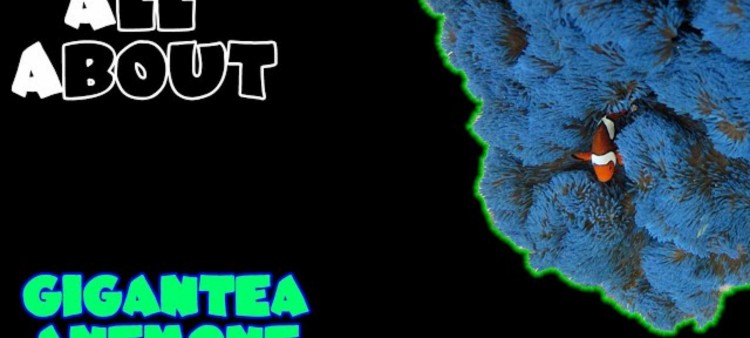
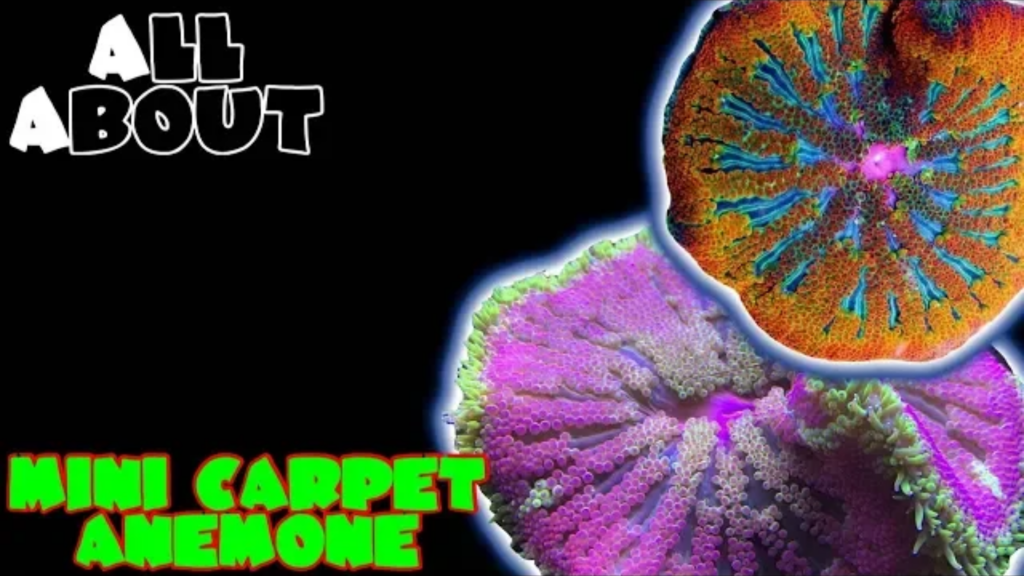
The True Carpet Anemone has a wavy appearance, and lives singly, in the shallow waters of the Central Pacific, Indo Pacific and Red Sea. Normally found on rocky reefs with soft muddy or sandy substrate it can attain a size of up to three feet in diameter. It has relatively short, tapered tentacles with a milder sting than its close relative Stichodactyla haddoni. The True Carpet Anemone and can be distinguished from Stichodactyla haddoni by the rows of spots on the underside of the oral disc which stop at the column. This anemone serves as a host for many types of clownfish in the wild including: Amphiprion clarkii, A. perideraion, A. akindynos, A. rubrocinctus, A.barberi, A. bicinctus, A. ocellaris, and A. percula. The True Carpet Anemone requires a very strong lighting and strong water movement. The aquarium should have a variety of sandy and rocky locations as this animal oftentimes can move about and seek refuge in a place it prefers. This species of Carpet Anemone prefers to bury its foot into the sandy bottom at the base of a rock, and it will oftentimes attach itself to the bottom of the aquarium glass, where its column is completely protected under a rock and in the sand for protection. When first introducing this anemone into the display, it is best to try and dig out an area of the sand bed at the base of a large rock where you prefer it will reside, while decreasing the flow rate for a brief period of time during so that it is not blown around the display. Doing so will allow the anemone time to settle in, so its pedal disc or foot can adhere to the rock where it is placed. Once in place, carefully move some sandy substrate around the column and increase the flow rate back to the normal output.
The True Carpet Anemone has somewhat of a potent sting and may harm corals and other anemones as it moves about the aquarium. It is not compatible with other anemones within a 12" diameter, so monitor it when it is first introduced into the tank. This species of Carpet Anemone can eat fish in the display aquarium so use caution when housing a Carpet Anemone in with fish other than clownfish. When adjusted to the display aquarium, this anemone is very sticky to the touch, and when it grasps something (or someone), it is very difficult to convince it to let go without damaging the animal. It is also one of the few anemones that can cause a severe reaction in humans, especially when it comes in contact with areas of the skin that are more sensitive like the underside of the arms, or back of the hand. The True Carpet Anemone is one of the most challenging to maintain in the home aquarium, and is best left to only the most experienced, veteran aquarists.
Articles
All photos
No photos yet.