
Common Bristle Worm
Polychaeta
Saltwater Invertebrate
Species Group: Worms
Family: Amphinomidae
Log in or create an account to add this species to your tanks.
Water parameters
Temp
76-80 F
Temperature
Maintaining a stable and appropriate temperature is critical for the survival of aquatic life.
pH 7.8 - 8.4 potential of HydrogenMeasuring the acidity or alkalinity of water on a 0–14 scale, where 7 is neutral, 7 is alkaline.
NO3 1-20 ppm NitrateWhile less toxic than ammonia, high nitrate levels (above 40–80 ppm) are important to monitor because they can cause fish stress, stunted growth, and harmful algae blooms.
NO2 <0.0001 ppm NitriteIt is a highly toxic, intermediate compound in the nitrogen cycle produced from broken-down ammonia
PO4 0.01 - 0.1 ppm PhosphateIt is essential for plant development but must be managed, as excess levels trigger nuisance algae blooms and inhibit coral calcification.
NH3 <0.1 ppm AmmoniaIt is the primary killer of aquarium fish, causing gill damage, stress, and death
Ca 380 - 450 ppm CalciumSupporting the growth, skeletal structure, and shell formation of corals, mollusks, crustaceans, and coralline algae
KH 8 - 12 dKH AlkalinityIt acts as a shield, neutralizing acids to prevent dangerous pH "crashes" that can harm fish, corals, and plants.
Mg 1200 - 1400 ppm MagnesiumIt enables coral growth by supporting skeletal formation, assists in metabolic processes, and ensures that calcium is available for corals, clams, and coralline algae.
SG 1.023 - 1.026 SG SalinityEssential for maintaining stable, natural water parameters, proper osmoregulation, and stress-free environments for marine fish and corals
ORP 250 - 400 mV Oxidation-Reduction PotentialA higher positive mV indicates clean, oxygen-rich water with high water quality, while low readings indicate high pollution.
About Common Bristle Worm
General information
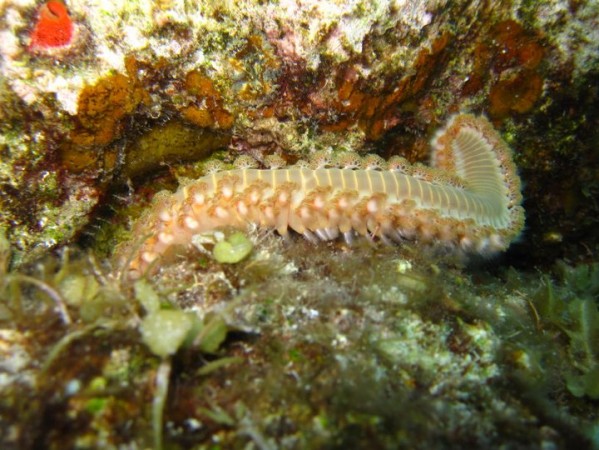
The Bristle Worm has a tail and a segmented body, and typically each body segment has a pair of leg-like parapodia with spiny hairs on the sides called bristles that sticking out. These little hairs or bristles give the worms it’s named. The word Polychaete is Greek and means “with much hair.” While there are over 10,000 different worms that are considered “bristle worm” there are two different types of worms that we are concerned with and that is if it is “Reef Safe” or “Not Reef Safe”.
The Common Bristle Worm is Reef Safe and is a good invertebrate to have in your tank and can serve as a good cleaner crew. They normally have a pink or gray body and pose no harm to anything in your tank. With that said you try to handle them or try to remove them from your tank you should wear gloves. The bristles on the Common Bristle Worm, are designed to protect it and release when they puncture whatever is trying to gram them. Think of them like them as a porcupine of the ocean. There are mostly there to defend itself.
Bristle Worms are nocturnal most aquariums have them and you may never see them unless you look for them at night. If they come out during the day it is typically because they are starving and feel like there is no risk for them. Late at night after the lights have been out for some time, you can use a red flashlight (they typically do not respond to the red light) and you will see the nightlife of your tank which will normally include several worms as well.
In some cases, Common Bristle Worms can quickly multiply if you are overfeeding your tank. The Common Bristle Worm is a scavenger feeder that will eat leftover food or decaying proteins in your tank. If you feel like there are too many you may want to consider adding a wrasse fish to your tank. Wrasse’s stay very active in your tank and are known to constantly hunt down small invertebrates and worms in your tank.
Diet & nutrition
Bristle Worms are a bottom-feeding scavenger and will eat different types of detritus as well as algae, uneaten fish food and even fish waste. The Bristle Worms are able to reach the tough to reach places that most species have a hard time getting to like tiny pores/holes, and cracks in your rock. If you do not have any worms to get this food then it will rot and cause water quality issues over time.
Cautions
Handle with care and always ware gloved if you plan to handle Bristle Worms, their bristles can release into your skin and can cause skin irritation.
All photos
Tap a photo to open the gallery viewer.