
Webers Chromis
Chromis weberi
Saltwater Fish
Species Group: Chromis
Family: Pomacentridae
Log in or create an account to add this species to your tanks.
Water parameters
Temp
76-80 F
Temperature
Maintaining a stable and appropriate temperature is critical for the survival of aquatic life.
pH 7.8 - 8.4 potential of HydrogenMeasuring the acidity or alkalinity of water on a 0–14 scale, where 7 is neutral, 7 is alkaline.
NO3 1-20 ppm NitrateWhile less toxic than ammonia, high nitrate levels (above 40–80 ppm) are important to monitor because they can cause fish stress, stunted growth, and harmful algae blooms.
NO2 <0.0001 ppm NitriteIt is a highly toxic, intermediate compound in the nitrogen cycle produced from broken-down ammonia
PO4 0.01 - 0.1 ppm PhosphateIt is essential for plant development but must be managed, as excess levels trigger nuisance algae blooms and inhibit coral calcification.
NH3 <0.1 ppm AmmoniaIt is the primary killer of aquarium fish, causing gill damage, stress, and death
Ca 380 - 450 ppm CalciumSupporting the growth, skeletal structure, and shell formation of corals, mollusks, crustaceans, and coralline algae
KH 8 - 12 dKH AlkalinityIt acts as a shield, neutralizing acids to prevent dangerous pH "crashes" that can harm fish, corals, and plants.
Mg 1200 - 1400 ppm MagnesiumIt enables coral growth by supporting skeletal formation, assists in metabolic processes, and ensures that calcium is available for corals, clams, and coralline algae.
SG 1.023 - 1.026 SG SalinityEssential for maintaining stable, natural water parameters, proper osmoregulation, and stress-free environments for marine fish and corals
ORP 250 - 400 mV Oxidation-Reduction PotentialA higher positive mV indicates clean, oxygen-rich water with high water quality, while low readings indicate high pollution.
About Webers Chromis
General information
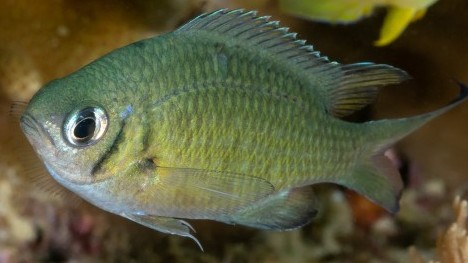
Weber's Chromis is a small, peaceful, and colorful saltwater fish that can reach up to 3 inches (7.6 cm) in length. They have a bright blue coloration with a yellow dorsal fin and a black spot at the base of the pectoral fin. They are popular for their hardiness, ease of care, and are suitable for most reef aquariums.
Diet & nutrition
Weber's Chromis are omnivores and will eat a variety of foods including frozen or live brine shrimp, mysis shrimp, small pieces of fish, and prepared aquarium foods. They should be fed small amounts several times a day.
Determining sex
It is difficult to differentiate between male and female Weber's Chromis visually, as they have similar external appearances. However, males may have a slightly more elongated dorsal fin.
Breeding & spawning
Weber's Chromis are known to breed and spawn in aquariums. They are egg layers and can lay up to 200 eggs at a time. The eggs will hatch in about 2-3 days, and the fry will be free-swimming in about 5-7 days. Providing a suitable breeding environment with plenty of hiding places can encourage breeding.
Diseases
Weber's Chromis are generally hardy and not prone to many diseases if they are kept in a clean and well-maintained aquarium. However, they can be susceptible to typical saltwater fish diseases such as white spot disease, marine velvet, and bacterial infections. Proper quarantine and acclimation procedures can help prevent the introduction of these diseases.
Origination
Weber's Chromis is found in the Western Pacific Ocean, primarily in the waters surrounding Indonesia.
Cautions
Weber's Chromis is generally a peaceful fish and can be kept with other peaceful fish of similar size. However, they may become territorial towards their own species and other Chromis species, especially in smaller aquariums. It is recommended to keep them in groups of 3 or more to diffuse aggression.
Acclimation process
It is important to properly acclimate Weber's Chromis to their new aquarium environment to minimize stress and increase their chances of survival. This can be done by slowly adding small amounts of aquarium water to their transport bag over a period of at least 30 minutes before releasing them into the aquarium.
All photos
Tap a photo to open the gallery viewer.