Two Spot Bimaculatus Blenny
Ecsenius bimaculatus
Featured guide
This will pull the most popular / featured article tagged to this species.
Water parameters
Water parameters are being added.
About Two Spot Bimaculatus Blenny
General information
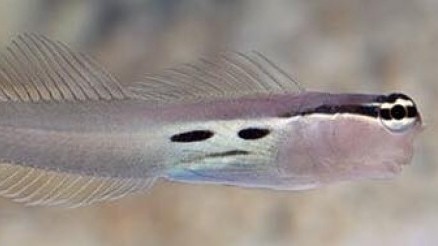
The Two Spot Bimaculatus Blenny, or Twinspot Blenny, is a small saltwater fish species that can grow up to 3 inches (7.5 cm) in length. They have a slender body with two prominent dark spots on their back, just behind their eyes. This species is peaceful and active, making it a popular choice for saltwater aquariums.
Diet & nutrition
The Two Spot Bimaculatus Blenny is an omnivore, and its diet should consist of a variety of foods, including small meaty foods like brine shrimp and mysis shrimp, as well as algae and other plant matter. They can be fed 2-3 times a day, with small amounts of food each time.
Breeding & spawning
Breeding Two Spot Bimaculatus Blennies in captivity is difficult, as they require specific conditions to initiate spawning. In the wild, they spawn in small caves or crevices, and the males guard the eggs until they hatch.
Diseases
Two Spot Bimaculatus Blennies are generally hardy and disease-resistant, but they can still be susceptible to common saltwater fish diseases like ich and velvet. Proper tank maintenance and water quality control can help prevent these diseases.
Origination
The Two Spot Bimaculatus Blenny is found in the western Pacific Ocean, including Indonesia and the Philippines.
Cautions
Two Spot Bimaculatus Blennies are generally peaceful and not harmful to humans, but they can become territorial towards other blenny species or similar-looking fish. It is recommended to keep them with other peaceful species in a tank that is at least 20 gallons in size.
Acclimation process
It is important to properly acclimate Two Spot Bimaculatus Blennies to their new aquarium environment to reduce stress and increase their chances of survival. This can be done by gradually introducing them to the new water over a period of several hours, and monitoring their behavior and health closely after they are introduced to the tank.
Related articles
These will pull posts tagged to this species (not tied to the species record).
All photos
Tap a photo to open the gallery viewer.