Tahitian Butterflyfish
Chaetodon trichrous
Featured guide
This will pull the most popular / featured article tagged to this species.
Water parameters
Water parameters are being added.
About Tahitian Butterflyfish
General information
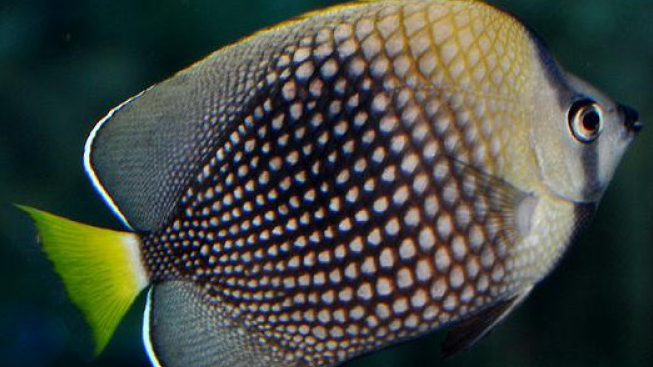
Tahitian Butterflyfish (Chaetodon trichrous) is a beautiful and peaceful saltwater fish that can be kept in a home aquarium. They are native to the Indo-Pacific region, including the Red Sea, east coast of Africa, and the Hawaiian Islands. These fish have a distinct appearance with their vibrant yellow bodies, black bar across their eyes, and black spots on their dorsal fin. They have a maximum size of around 7 inches (18 cm) in length and prefer to live in small groups in the wild.
Diet & nutrition
In the wild, Tahitian Butterflyfish feed on a diet of algae, small crustaceans, and invertebrates. In an aquarium, they can be fed a variety of frozen or live foods such as brine shrimp, mysis shrimp, and chopped seafood. It's important to provide a varied diet to ensure they receive all the necessary nutrients.
Determining sex
It is difficult to determine the sex of Tahitian Butterflyfish visually as they do not have any external differences between male and female.
Breeding & spawning
Breeding Tahitian Butterflyfish in captivity is rare. In the wild, they form pairs during the breeding season, which occurs during the summer months. The female releases eggs, which the male fertilizes and guards until they hatch.
Diseases
Tahitian Butterflyfish are generally hardy and not prone to many diseases if kept in a well-maintained aquarium. However, they are susceptible to common saltwater fish diseases such as ich, marine velvet, and fin rot. Quarantining new fish before introducing them to an existing aquarium is essential to prevent the spread of disease.
Origination
Tahitian Butterflyfish are native to the Indo-Pacific region, including the Red Sea, east coast of Africa, and the Hawaiian Islands.
Cautions
Tahitian Butterflyfish are peaceful and can be kept with other peaceful fish species in a community aquarium. However, they may become territorial if they feel threatened or crowded, so it's important to provide them with plenty of hiding places and space.
Acclimation process
When introducing Tahitian Butterflyfish to a new aquarium, it's essential to acclimate them slowly to avoid stress and shock. This can be done by slowly adding small amounts of aquarium water to the bag they are in over a period of 30-45 minutes before releasing them into the tank.
Related articles
These will pull posts tagged to this species (not tied to the species record).
All photos
Tap a photo to open the gallery viewer.