Sunset Anthias
Pseudanthias parvirostris
Featured guide
This will pull the most popular / featured article tagged to this species.
Water parameters
Water parameters are being added.
About Sunset Anthias
General information
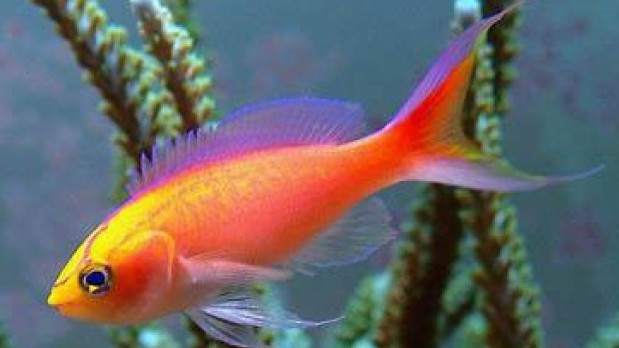
The Sunset Anthias is a beautiful, small-sized fish that grows up to 3 inches (7.6 cm) in length. They are commonly found in the Western Pacific, specifically in the waters around Fiji, Tonga, and the Great Barrier Reef. In the wild, they usually live in large schools around coral reefs and prefer to swim in areas with moderate to strong water currents. They are peaceful and easy to care for, making them a popular choice for both novice and experienced aquarists.
Diet & nutrition
In the aquarium, Sunset Anthias should be fed a varied diet consisting of high-quality frozen or live foods such as brine shrimp, mysis shrimp, and other meaty preparations. It is also recommended to supplement their diet with vitamin-enriched foods to ensure that they receive all the necessary nutrients.
Determining sex
Males of this species are typically more colorful than females and develop elongated dorsal and anal fins.
Breeding & spawning
Sunset Anthias are known to be difficult to breed in captivity and therefore are typically not commercially bred. In the wild, they usually spawn in pairs, with the male courting the female by displaying his colorful fins.
Diseases
Sunset Anthias are generally hardy and disease-resistant if kept in ideal water conditions. However, they are susceptible to common saltwater fish diseases such as marine ich and marine velvet, which can be prevented by maintaining good water quality and avoiding overcrowding.
Origination
The Sunset Anthias is native to the Western Pacific, specifically in the waters around Fiji, Tonga, and the Great Barrier Reef.
Acclimation process
It is recommended to acclimate Sunset Anthias to the aquarium environment using the drip acclimation method over a period of at least 1-2 hours. This will allow the fish to adjust to the new water chemistry and temperature gradually.
Related articles
These will pull posts tagged to this species (not tied to the species record).
All photos
Tap a photo to open the gallery viewer.