Scissortail Dartfish
Ptereleotris evides
Featured guide
This will pull the most popular / featured article tagged to this species.
Water parameters
Water parameters are being added.
About Scissortail Dartfish
General information
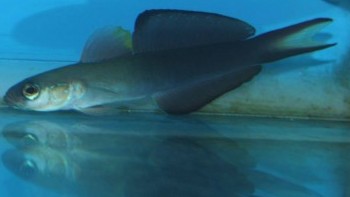
The Scissortail Dartfish is a popular species in the aquarium hobby due to its striking appearance and active nature. They typically grow up to 3-4 inches (8-10 cm) in length and have a slender body with a distinctive scissor-like tail. They are relatively hardy and can adapt well to a variety of aquarium conditions.
Diet & nutrition
In the wild, Scissortail Dartfish feed on small crustaceans and plankton. In captivity, they should be fed a varied diet that includes a mix of frozen or live foods, such as brine shrimp, mysis shrimp, and krill, as well as high-quality flake and pellet foods designed for carnivorous fish.
Determining sex
Sexual dimorphism is not well-defined in Scissortail Dartfish, so it can be difficult to determine the sex of individual fish.
Breeding & spawning
Breeding Scissortail Dartfish in captivity is challenging and requires specialized equipment and conditions. Spawning typically occurs in the early morning hours and the eggs are adhesive and will attach to surfaces within the aquarium. The eggs are guarded and fanned by the male until they hatch.
Diseases
Like all fish, Scissortail Dartfish are susceptible to a range of diseases, including bacterial and fungal infections, parasitic infestations, and viral diseases. It's important to maintain good water quality and to quarantine new fish before introducing them to an established aquarium to prevent the spread of disease.
Origination
Scissortail Dartfish are found throughout the Indo-Pacific region, from the Red Sea to Fiji and Samoa. They typically inhabit sandy or rubble areas near reefs and are often found in pairs or small groups.
Cautions
Scissortail Dartfish are generally peaceful and can be kept with other non-aggressive fish species. However, they may become territorial and aggressive towards other dartfish species or individuals of the same species. Additionally, they are known jumpers, so a tightly-fitted lid is essential to prevent escape.
Acclimation process
When introducing Scissortail Dartfish to a new aquarium, it's important to acclimate them slowly to prevent shock and stress. The drip acclimation method is recommended, which involves gradually adding small amounts of aquarium water to the bag or container holding the fish over a period of several hours.
Related articles
These will pull posts tagged to this species (not tied to the species record).
All photos
Tap a photo to open the gallery viewer.