Red Stop Light Cardinalfish
Fowleria flammea
Featured guide
This will pull the most popular / featured article tagged to this species.
Water parameters
Water parameters are being added.
About Red Stop Light Cardinalfish
General information
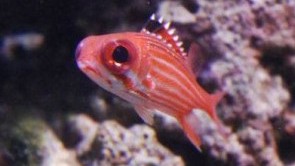
The Red Stop Light Cardinalfish, or Flame Cardinalfish, is a popular species for both beginner and experienced aquarium enthusiasts. They are a small fish species, typically reaching a maximum size of around 3 inches (8 cm). They have a bright red body with a distinctive black spot on their tail. These fish are generally peaceful and can be kept in small groups of 3-5 individuals.
Diet & nutrition
In their natural habitat, Red Stop Light Cardinalfish feed on small crustaceans and plankton. In captivity, they can be fed a varied diet consisting of high-quality flakes, pellets, frozen or live food such as brine shrimp, krill, and chopped seafood.
Determining sex
Males tend to be larger and have a more elongated anal fin than females. During spawning, males will also develop a brighter red coloration.
Breeding & spawning
Breeding Red Stop Light Cardinalfish in captivity is challenging, but not impossible. They are egg layers and will require a separate breeding tank with plenty of hiding places. Spawning typically occurs in the early morning hours and the eggs will hatch within a few days.
Diseases
Red Stop Light Cardinalfish are generally hardy fish that are not susceptible to many common fish diseases. However, they can be affected by Ich, Velvet, and other parasitic infections. Keeping up with regular water changes and maintaining good water quality can help prevent these diseases.
Origination
Red Stop Light Cardinalfish are native to the Indo-Pacific region, including the waters around Indonesia and the Philippines.
Cautions
While Red Stop Light Cardinalfish are generally peaceful, they can become aggressive towards their own species if there is not enough space or hiding spots in the aquarium. They should be kept with other small, peaceful fish species.
Acclimation process
When introducing Red Stop Light Cardinalfish to a new aquarium, it is important to acclimate them slowly. This can be done by floating the bag they were transported in for around 15-20 minutes to allow the temperature to equalize. Then, gradually add small amounts of aquarium water to the bag every 5-10 minutes for about an hour before finally releasing them into the tank.
Related articles
These will pull posts tagged to this species (not tied to the species record).
All photos
Tap a photo to open the gallery viewer.