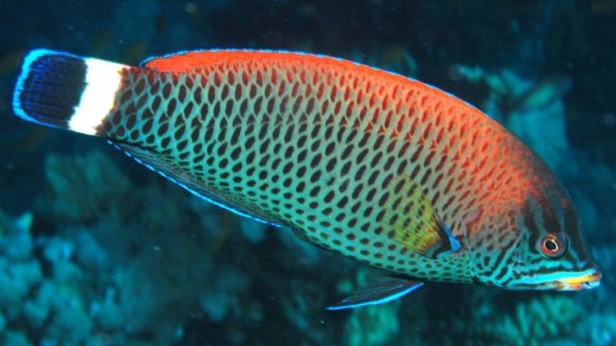
Chiseltooth Wrasse
Pseudodax moluccanus
Featured guide
This will pull the most popular / featured article tagged to this species.
Water parameters
Water parameters are being added.
About Chiseltooth Wrasse
General information
The Chiseltooth Wrasse makes a brilliantly-colored, peaceful addition to the home aquarium, and is ideally suited for the advanced aquarist. Like all wrasses, it exhibits fascinating behavior and has a protrusible jaw which aids in feeding. The Chiseltooth Wrasse is one of the larger specimens in the genus, growing up to a foot in length. The Chiseltooth Wrasse is considered ideal for the expert aquarist or research aquarium. Like other Labrids, these fish can try and leap from the aquarium, so a tight fitting lid and covered overflow boxes are a must. In the wild, adults are usually found along drop-offs below 50 feet near caves, while younger specimens often take refuge inside them. The only species in the genus Pseudodax, the Chiseltooth Wrasse is related to the parrotfish and tends to exhibit behaviors similar to wrasse in the genus Anampes.
Cautions
Wrasse are considered jumpers make sure your aquarium has a tight-fitting canopy or screen cover to prevent the Wrasse from jumping out of your aquarium. Wrasse have been known to jump through the smallest of holes in a canopy.
Wrasses prefer to have a 2″ (5cm) sandbed to allow them to burrow into the sand to sleep or when they feel like they are in danger. Some people with bare bottom tanks have also added a Tupperware with a 2″ deep sand bed to accommodate the wrasse’s needs.
They are generally peaceful but may display aggression towards members of the same species.
Cautions
Wrasse are considered jumpers make sure your aquarium has a tight-fitting canopy or screen cover to prevent the Wrasse from jumping out of your aquarium. Wrasse have been known to jump through the smallest of holes in a canopy.
Wrasses prefer to have a 2" (5cm) sandbed to allow them to burrow into the sand to sleep or when they feel like they are in danger. Some people with bare bottom tanks have also added a Tupperware with a 2" deep sand bed to accommodate the wrasse's needs.
They are generally peaceful but may display aggression towards members of the same species.
Related articles
These will pull posts tagged to this species (not tied to the species record).
All photos
Tap a photo to open the gallery viewer.