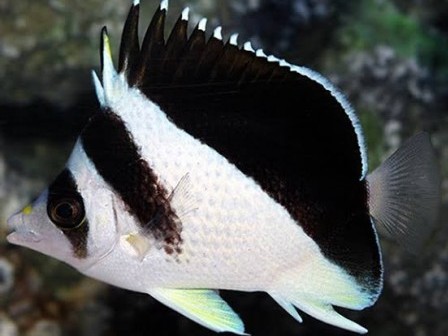
Burgess Butterflyfish
Chaetodon burgessi
Featured guide
This will pull the most popular / featured article tagged to this species.
Water parameters
Water parameters are being added.
About Burgess Butterflyfish
General information
The Burgess Butterflyfish, also known as the Blue Mask Butterflyfish, is a popular saltwater aquarium fish that is native to the western Pacific Ocean. It has a bright yellow body with a blue face mask and a black diagonal stripe on the lower half of its body. It can grow up to 8 inches (20 cm) in length and is a hardy species that can adapt to a range of water conditions.
Diet & nutrition
The Burgess Butterflyfish is an omnivore and feeds on a variety of foods including algae, small crustaceans, and invertebrates. In captivity, it can be fed a diet of frozen or fresh meaty foods such as brine shrimp, mysis shrimp, and chopped seafood, as well as algae-based foods.
Determining sex
There are no visible differences between males and females of the Burgess Butterflyfish species.
Breeding & spawning
Breeding and spawning of Burgess Butterflyfish in captivity is rare. In the wild, they spawn in pairs and lay their eggs on hard surfaces such as rocks or coral.
Diseases
The Burgess Butterflyfish is susceptible to common saltwater fish diseases such as ich, marine velvet, and bacterial infections. It is important to maintain good water quality and provide a healthy diet to help prevent these diseases.
Origination
The Burgess Butterflyfish is native to the western Pacific Ocean, including Japan, Micronesia, and the Great Barrier Reef.
Cautions
The Burgess Butterflyfish can be aggressive towards other butterflyfish and may require a larger aquarium with plenty of hiding places to help reduce aggression. It may also nip at corals and other invertebrates in the aquarium.
Acclimation process
It is important to acclimate the Burgess Butterflyfish slowly to its new aquarium environment to reduce stress and improve its chances of survival. The drip acclimation method is recommended, which involves slowly introducing aquarium water to the fish over a period of time.
Related articles
These will pull posts tagged to this species (not tied to the species record).
All photos
Tap a photo to open the gallery viewer.