Bluestriped Fang Blenny
Plagiotremus rhinorhynchus
Featured guide
This will pull the most popular / featured article tagged to this species.
Water parameters
Water parameters are being added.
About Bluestriped Fang Blenny
General information
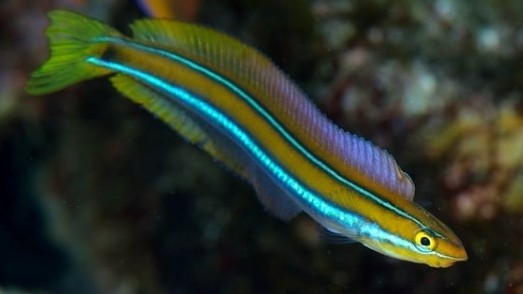
The Bluestriped Fang is a small marine fish that belongs to the family Blenniidae. It has a slender body that is mostly yellow in color, with several blue stripes running vertically along its body. This species can grow up to 5 inches (12 cm) in length, and it is a popular addition to many home aquariums. They are known for their unique teeth, which are long and sharp, resembling fangs.
Diet & nutrition
The Bluestriped Fang is a carnivorous fish that primarily feeds on small crustaceans and plankton in the wild. In captivity, they can be fed a variety of frozen or live foods, including brine shrimp, mysis shrimp, and krill. It is important to provide a varied diet to ensure their nutritional needs are met.
Determining sex
There are no distinguishing characteristics between male and female Bluestriped Fangs.
Breeding & spawning
Breeding the Bluestriped Fang in captivity is challenging and not well documented.
Diseases
Bluestriped Fangs can be susceptible to various bacterial and fungal infections, as well as parasitic infestations. Good aquarium maintenance practices, such as regular water changes and maintaining proper water parameters, can help prevent these health issues.
Origination
The Bluestriped Fang is native to the Western Pacific Ocean, including areas such as Indonesia, Papua New Guinea, and the Philippines.
Cautions
While the Bluestriped Fang is not venomous, they have been known to bite when threatened or stressed. It is important to exercise caution when handling these fish, as their teeth are sharp and can cause injury.
Acclimation process
When introducing a Bluestriped Fang to a new aquarium, it is important to properly acclimate them to their new environment. This can be done by floating the fish in their bag in the aquarium for approximately 30 minutes to allow the temperature in the bag to match the temperature of the aquarium water. Afterward, the fish can be gently released into the aquarium.
Related articles
These will pull posts tagged to this species (not tied to the species record).
All photos
Tap a photo to open the gallery viewer.