Black Combtooth Blenny
Ecsenius namiyei
Featured guide
This will pull the most popular / featured article tagged to this species.
Water parameters
Water parameters are being added.
About Black Combtooth Blenny
General information
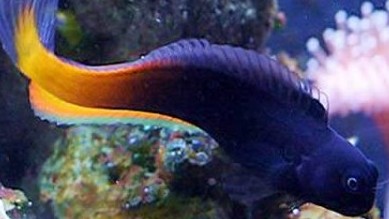
The Black Combtooth, also known as Namiye's Blenny, is a small marine fish that is typically found in the Western Pacific Ocean. They have a distinct black and white striped pattern on their body, with a bright blue and yellow tail. Black Combtooths can grow up to 2 inches in length and are considered to be peaceful and easy to care for, making them popular choices for beginner saltwater aquariums.
Diet & nutrition
In their natural habitat, Black Combtooths feed primarily on algae and small crustaceans. In captivity, they can be fed a varied diet consisting of algae-based flakes, pellets, and frozen foods such as brine shrimp and mysis shrimp.
Determining sex
It can be difficult to determine the sex of Black Combtooths, as there are no visible differences between males and females.
Breeding & spawning
There is limited information available on the breeding and spawning habits of Black Combtooths in captivity.
Diseases
Like other marine fish, Black Combtooths can be susceptible to common saltwater diseases such as ich, velvet, and bacterial infections. Proper tank maintenance and a healthy diet can help prevent these diseases from occurring.
Origination
Black Combtooths are native to the Western Pacific Ocean, specifically around Indonesia and the Philippines.
Cautions
Black Combtooths are generally peaceful and not known to be harmful to humans or other fish species. However, it is important to note that they may become territorial and aggressive towards other blenny species in the aquarium. It is also recommended to keep them in a well-established aquarium with live rock and plenty of hiding spaces.
Acclimation process
When introducing Black Combtooths to a new aquarium, it is important to acclimate them slowly to their new environment. This can be done by floating the bag containing the fish in the aquarium for about 15-20 minutes to allow the temperature in the bag to adjust to the temperature in the aquarium. After this, small amounts of water from the aquarium can be added to the bag at 10-minute intervals, until the water in the bag is mostly from the aquarium. Then, the fish can be carefully released into the aquarium.
Related articles
These will pull posts tagged to this species (not tied to the species record).
All photos
Tap a photo to open the gallery viewer.