Banded Butterflyfish
Chaetodon striatus
Featured guide
This will pull the most popular / featured article tagged to this species.
Water parameters
Water parameters are being added.
About Banded Butterflyfish
General information
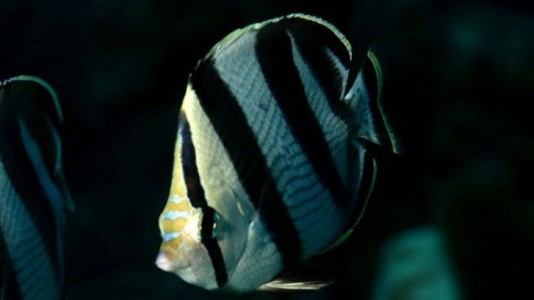
The Banded Butterflyfish is a popular and easy-to-keep aquarium fish that is native to the western Atlantic Ocean. It has a distinctive appearance with black and white stripes that run vertically along its body, and a yellow-orange coloration on its head and fins. The average size of the species is around 6 inches (15 cm) in length.
Diet & nutrition
In the wild, the Banded Butterflyfish feeds on a variety of small invertebrates, including crustaceans, worms, and mollusks. In captivity, they can be fed a diet of frozen or live foods such as brine shrimp, mysis shrimp, and krill. They may also accept a high-quality pellet or flake food.
Determining sex
There are no visible differences between males and females.
Breeding & spawning
Breeding in captivity is difficult, and successful breeding has only been reported in a few instances. The Banded Butterflyfish is a monogamous species, meaning that they mate for life. Spawning typically occurs during the summer months, and females can lay several hundred eggs at a time. The eggs hatch after about 24 hours, and the fry can be raised on a diet of plankton.
Diseases
The Banded Butterflyfish is susceptible to common aquarium diseases such as ich and marine velvet. It is also prone to developing fungal infections and bacterial infections if the water quality is not properly maintained.
Origination
The Banded Butterflyfish is native to the western Atlantic Ocean, ranging from the coast of Florida to the Caribbean Sea and down to Brazil.
Cautions
The Banded Butterflyfish is generally a peaceful fish and can be kept with other non-aggressive species. However, they may become territorial with members of the same species or other butterflyfish. They should not be kept with aggressive or predatory species.
Acclimation process
It is important to properly acclimate the Banded Butterflyfish to its new aquarium environment to reduce stress and prevent disease. The fish should be gradually introduced to the aquarium water over a period of at least 30 minutes using the drip acclimation method.
Related articles
These will pull posts tagged to this species (not tied to the species record).
All photos
Tap a photo to open the gallery viewer.