Butt Kisser Palys
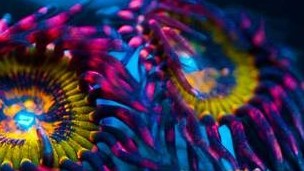
Palythoa sp
Featured guide
This will pull the most popular / featured article tagged to this species.
Water parameters
Water parameters are being added.
About Butt Kisser Palys
General information
In general, corals coming from the genus Palythoa are classified as zoanthids with colonies that are embedded hard in the substrate and are often covered by its protruding polyps. Each polyp has an oral disc or mouth that is flat in shape and surrounded by a fringe of tentacles.
This is the water parameters in cultivating Butt Kisser Palys:
- Calcium: 380 – 430 ppm
- Alkalinity: 3.2 – 4.5 MEQ/L
- Phosphates: 0
- Magnesium: 1250 – 1300 ppm
- Strontium: 8 – 10
- Temperature: 72° – 82° F (22° – 27° C)
- Salinity / Specific Gravity: 1.023 – 1.025
Diet & nutrition
In the wild, Butt Kisser Palys has developed a symbiotic feeding relationship with marine algae called zooxanthellae. But in captivity, you have to feed them with nanoplankton or dissolved organics.
Determining sex
A mature tank is highly recommended in propagating Butt Kisser Palys. They should be set in the middle or top part of the tank where they will receive the most amount of light.
Breeding & spawning
Butt Kisser Palys requires strong lighting and moderate water flow.
Diseases
While the Butt Kisser Palys are easy to maintain, you have to be alert for filamentous algae that can overgrow and smother their polyps. They are also prone to box snail which feeds on them, so you need to remove this particular snail from the tank. You also have to look out for large crustaceans and fish like angelfish and butterflyfish that nibbles on their tentacle.
Cautions
Butt Kisser Palys are known to possess high levels of palytoxin and vibrio bacteria, especially in their mucus. So, you need to wear gloves in handling them.
Acclimation process
Butt Kisser Palys are purely marine. So, therefore, salinity must be maintained thoroughly at 1.023 to 1.025 specific gravity.
Related articles
These will pull posts tagged to this species (not tied to the species record).
All photos
Tap a photo to open the gallery viewer.