Chocolate Chip Sea Star
Protoreaster nodosus
Log in or create an account to add this species to your tanks.
Water parameters
Maintaining a stable and appropriate temperature is critical for the survival of aquatic life.
pH 7.8 - 8.4 potential of HydrogenMeasuring the acidity or alkalinity of water on a 0–14 scale, where 7 is neutral, 7 is alkaline.
NO3 1-20 ppm NitrateWhile less toxic than ammonia, high nitrate levels (above 40–80 ppm) are important to monitor because they can cause fish stress, stunted growth, and harmful algae blooms.
NO2 <0.0001 ppm NitriteIt is a highly toxic, intermediate compound in the nitrogen cycle produced from broken-down ammonia
PO4 0.01 - 0.1 ppm PhosphateIt is essential for plant development but must be managed, as excess levels trigger nuisance algae blooms and inhibit coral calcification.
NH3 <0.1 ppm AmmoniaIt is the primary killer of aquarium fish, causing gill damage, stress, and death
Ca 380 - 450 ppm CalciumSupporting the growth, skeletal structure, and shell formation of corals, mollusks, crustaceans, and coralline algae
KH 8 - 12 dKH AlkalinityIt acts as a shield, neutralizing acids to prevent dangerous pH "crashes" that can harm fish, corals, and plants.
Mg 1200 - 1400 ppm MagnesiumIt enables coral growth by supporting skeletal formation, assists in metabolic processes, and ensures that calcium is available for corals, clams, and coralline algae.
SG 1.023 - 1.026 SG SalinityEssential for maintaining stable, natural water parameters, proper osmoregulation, and stress-free environments for marine fish and corals
ORP 250 - 400 mV Oxidation-Reduction PotentialA higher positive mV indicates clean, oxygen-rich water with high water quality, while low readings indicate high pollution.
About Chocolate Chip Sea Star
General information
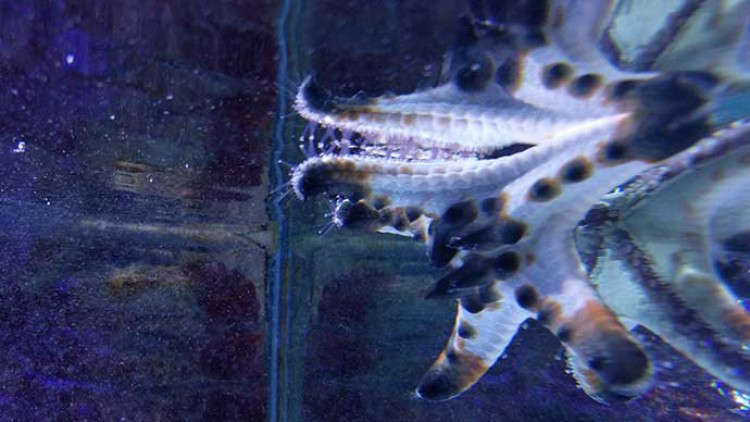
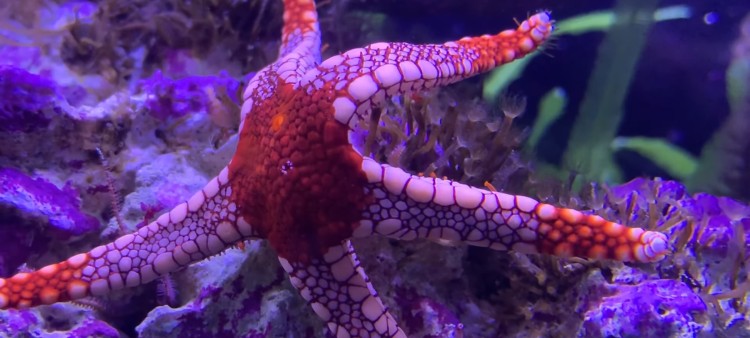
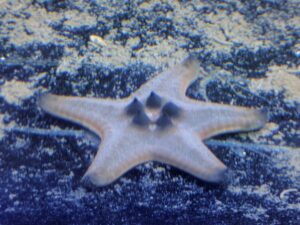
The Chocolate Chip Sea Star is a highly-recognizable ornamental sea star that boasts instant appeal. It is not difficult to imagine the dark chocolate brown tubercles (protrusions) that dot the surface of the sea star as chocolate chips on top of a tasty cookie. While it may seem odd to consider a sea star cute, the charming color pattern reminiscent of the classic baked treat makes the Chocolate Chip Sea Star a highly desirable addition to a fish only aquarium. The Chocolate Chip Sea Star naturally inhabits a fairly large habitat. Though most commonly found in shallow lagoons, the Chocolate Chip Sea Star can also be found at depths down to 75 feet deep in the Indo-Pacific reef region. A large aquarium with open access to a mature sand bed several inches in depth best recreates the preferred habitat of the Chocolate Chip Sea Star. While relatively hardy, the Chocolate Chip Sea Star requires particular attention to water quality. Like many invertebrates, the Chocolate Chip Sea Star requires high water quality and will not tolerate high nitrate levels. The Chocolate Chip Sea Star should be kept in a large marine aquarium housing mild-mannered fish. Since they are slower moving than most fish, it should not be housed with predatory fish, including Triggerfish and Puffers. The Chocolate Chip Sea Star is not considered reef compatible since adults will eat soft corals, sponges, tubeworms, clams, and other starfish. Keep in mind that the Chocolate Chip Sea Star is only appropriate for very large aquariums since it can grow up to 15 inches in diameter. The color of the Chocolate Chip Sea Star may be light to reddish-brown, blue, white, or yellow based on geographical location it hails from. With no distinguishing characteristics to help differentiate male from female Chocolate Chip Sea Stars, breeding in an aquarium is extremely difficult. The drip acclimation method is highly recommended for all Sea Stars since they are unable to tolerate rapid changes in water chemistry (oxygen levels, salinity, and pH). The Chocolate Chip Sea Star should never be exposed to air while handling. Also, the Chocolate Chip Sea Star must not be exposed to any copper-based medications and avoid contact with a majority of anti-parasitic medications.
All photos
Tap a photo to open the gallery viewer.