
Gold Banded Coral Shrimp
Stenopus zanzibaricus
Saltwater Invertebrate
Species Group: Shrimp
Family: Stenopodidae
Log in or create an account to add this species to your tanks.
Water parameters
Temp
76-80 F
Temperature
Maintaining a stable and appropriate temperature is critical for the survival of aquatic life.
pH 7.8 - 8.4 potential of HydrogenMeasuring the acidity or alkalinity of water on a 0–14 scale, where 7 is neutral, 7 is alkaline.
NO3 1-20 ppm NitrateWhile less toxic than ammonia, high nitrate levels (above 40–80 ppm) are important to monitor because they can cause fish stress, stunted growth, and harmful algae blooms.
NO2 <0.0001 ppm NitriteIt is a highly toxic, intermediate compound in the nitrogen cycle produced from broken-down ammonia
PO4 0.01 - 0.1 ppm PhosphateIt is essential for plant development but must be managed, as excess levels trigger nuisance algae blooms and inhibit coral calcification.
NH3 <0.1 ppm AmmoniaIt is the primary killer of aquarium fish, causing gill damage, stress, and death
Ca 380 - 450 ppm CalciumSupporting the growth, skeletal structure, and shell formation of corals, mollusks, crustaceans, and coralline algae
KH 8 - 12 dKH AlkalinityIt acts as a shield, neutralizing acids to prevent dangerous pH "crashes" that can harm fish, corals, and plants.
Mg 1200 - 1400 ppm MagnesiumIt enables coral growth by supporting skeletal formation, assists in metabolic processes, and ensures that calcium is available for corals, clams, and coralline algae.
SG 1.023 - 1.026 SG SalinityEssential for maintaining stable, natural water parameters, proper osmoregulation, and stress-free environments for marine fish and corals
ORP 250 - 400 mV Oxidation-Reduction PotentialA higher positive mV indicates clean, oxygen-rich water with high water quality, while low readings indicate high pollution.
About Gold Banded Coral Shrimp
General information
The Gold Banded Coral Shrimp is a beautiful colored variation of the traditional Coral Banded Shrimp. They are relatively rare in the aquarium trade. They can be highly productive tank members as they are known to devour the pesky bristle worms. Given their voracious appetite, the Golden Coral Banded Shrimp will eat almost anything. It is very similar to the regular Coral Banded Shrimp- however, they do not grow to the same size. Gold Coral Band shrimp stay small, reaching 2 inches at maturity.
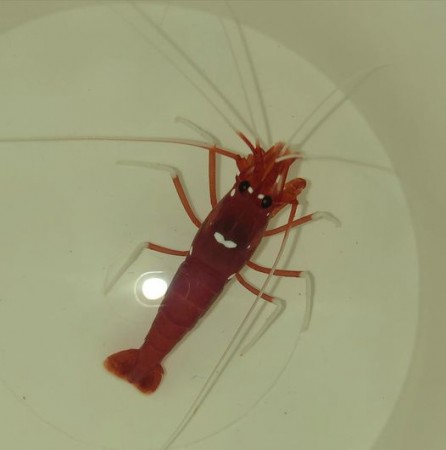
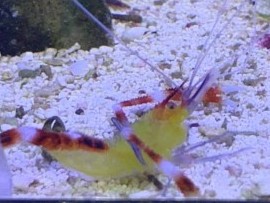
The Gold Banded Coral Shrimp has a yellow body, white chelae, and a red and white banded abdomen. Members of the Stenopodidae family are called “Boxing Shrimp” because of their large pinchers on their third set of legs. They often hold these pinchers erect, giving the appearance of a boxer ready to fight. Sufficient room should be provided in the tank to allow the Gold Banded Coral Shrimp to move without its long antennae touching neighboring corals or anemones. The Gold Banded Coral Shrimp must be kept singly, or as a true mated pair, being intolerant of others of the same species. It may also harass other smaller shrimp of different species.
The Golden Coral Banded Shrimp will hang out among the rocks so they are best kept in tanks with plenty of rockwork. They will frequently lose their exoskeleton during a molting process as they grow. They can actually provide a little bit of a pinch to humans so be careful when handling. They can live as a pair. Overall, they are one of the most fascinating shrimps to watch as they are incredibly active, attractive and proficient predators.
It is relatively hardy but must be acclimated slowly using the Drip Method to avoid any salinity and/or pH shock. It is intolerant of high nitrates or copper levels, but iodine levels in the water must be correct to promote proper molting.
This species is able to remove parasites from fish. It does not have a great impact on a large outbreak of marine ich (Cryptocaryon), for example, but it contributes towards keeping fish parasite free.
Diet & nutrition
In the wild, the Gold Banded Coral Shrimp feeds on parasites, dead tissue removed from fish, and other tiny organisms. In the home aquarium, it will accept most flaked and frozen foods, plankton, and meaty items. Banded Coral Shrimp are also effective bristleworm hunters in the reef aquarium, helping to keep the population of these pests under control.
Breeding & spawning
Breeding the Gold Banded Coral Shrimp is usually not successful. Larvae are generally destroyed by filtration and skimming.
Origination
East Indian Ocean, The Mexican Golf
Cautions
It is intolerant of high nitrates or copper levels, but iodine levels in the water must be correct to promote proper molting.
Acclimation process
It is relatively hardy but must be acclimated slowly using the Drip Method to avoid any salinity and/or pH shock.
All photos
Tap a photo to open the gallery viewer.