Burmese Mountain Crab
Nanhaipotamon birmanicum
Featured guide
This will pull the most popular / featured article tagged to this species.
Water parameters
Water parameters are being added.
About Burmese Mountain Crab
General information
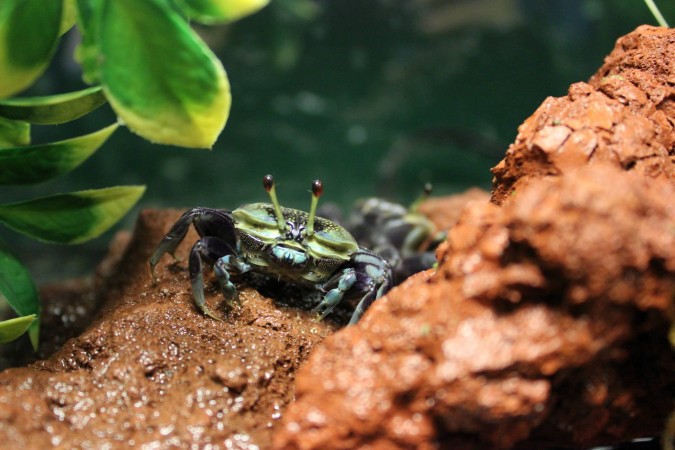
The Burmese Mountain Crab is a freshwater crustacean that is native to Southeast Asia. They typically grow to be around 3-4 inches in size and have a dark brown or black shell with a pale underside. These crabs are known for their aggressive behavior, making them unsuitable for community aquariums. They are best kept alone or in pairs in a spacious aquarium with plenty of hiding places and areas to climb.
Diet & nutrition
Burmese Mountain Crabs are omnivores and will eat a variety of foods. Their diet can include algae, vegetables, insects, and small pieces of meat or fish. It is important to provide a varied diet to ensure they receive all the necessary nutrients.
Determining sex
Males tend to have a more elongated and narrow abdomen, while females have a wider and more rounded abdomen. Males may also have larger and more pronounced claws.
Breeding & spawning
Breeding Burmese Mountain Crabs in captivity can be challenging, but it is possible. Males will often fight over females, so it is important to provide ample hiding places and territory for each crab. Females can carry hundreds of eggs on their abdomen, which they will hold until they hatch. Once hatched, the larvae will go through several stages before becoming miniature versions of the adults.
Diseases
Burmese Mountain Crabs are generally hardy and not prone to many diseases. However, they can be susceptible to bacterial or fungal infections if water conditions are poor or if they are stressed.
Origination
Burmese Mountain Crabs are native to Southeast Asia, including Thailand, Myanmar, and Vietnam.
Cautions
These crabs have a reputation for being aggressive and can be territorial. They may attack and kill other crabs or fish in the aquarium. Additionally, they require specific water parameters and can be sensitive to changes in water chemistry, so it is important to research and properly prepare the aquarium before bringing home a Burmese Mountain Crab.
Acclimation process
When introducing a Burmese Mountain Crab to a new aquarium, it is important to acclimate them slowly to avoid shock or stress. This can be done by floating the container with the crab in the aquarium water for several minutes, gradually adding small amounts of aquarium water to the container over time.
Related articles
These will pull posts tagged to this species (not tied to the species record).
All photos
Tap a photo to open the gallery viewer.