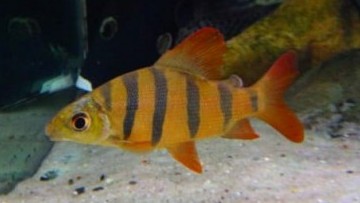
Six Banded Distichodus
Distichodus sexfasciatus
Featured guide
This will pull the most popular / featured article tagged to this species.
Water parameters
Water parameters are being added.
About Six Banded Distichodus
General information
Six Banded Distichodus is a freshwater fish species native to Africa. They are commonly found in the Nile and Congo River basins.
Diet & nutrition
In the wild, Six Banded Distichodus feeds mainly on smaller fish, insects, and crustaceans. In captivity, they can be fed a varied diet of high-quality pellets, frozen or live food, such as bloodworms, brine shrimp, and small pieces of fish.
Determining sex
It can be difficult to determine the sex of Six Banded Distichodus, as there are no distinguishing physical characteristics between males and females. However, during the breeding season, males may develop more colorful markings and become more territorial.
Breeding & spawning
Six Banded Distichodus is an egg-scattering species that typically spawns in the early morning hours. Breeding pairs should be kept in a separate breeding tank with a soft substrate and plants for the eggs to adhere to. The water should be slightly acidic and warm, with a temperature of around 78-82°F. Once the eggs are laid, the parents should be removed from the breeding tank to prevent them from eating the eggs.
Diseases
Like all fish, Six Banded Distichodus are susceptible to bacterial and parasitic infections. Symptoms of illness include loss of appetite, lethargy, and abnormal swimming behavior. It is important to maintain good water quality and promptly treat any signs of illness with appropriate medications.
Origination
Six Banded Distichodus is native to Africa, specifically the Nile and Congo River basins. They are found in areas with moderate to strong water flow and tend to inhabit the middle to lower regions of the water column.
Cautions
Six Banded Distichodus is a relatively peaceful species but can become aggressive towards smaller fish. They should be kept in a large aquarium with plenty of swimming space and hiding places. It is also important to avoid keeping them with fish with long fins, as they may nip at them. Six Banded Distichodus has a set of sharp teeth that can cause painful bites. While they are not venomous, it is important to handle them with care and avoid putting your hands near their mouth.
Acclimation process
When introducing Six Banded Distichodus to a new aquarium, it is important to acclimate them slowly to the new water conditions. This can be done by floating the bag containing the fish in the aquarium for 15-20 minutes, then gradually adding small amounts of aquarium water to the bag over the course of an hour.
Related articles
These will pull posts tagged to this species (not tied to the species record).
All photos
Tap a photo to open the gallery viewer.