Scissortail Rasbora
Rasbora trilineata
Featured guide
This will pull the most popular / featured article tagged to this species.
Water parameters
Water parameters are being added.
About Scissortail Rasbora
General information
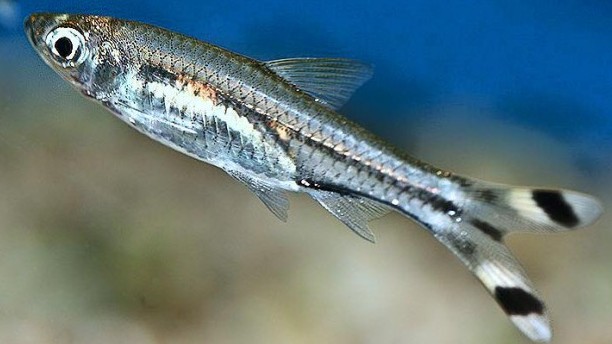
The Scissortail Rasbora is a peaceful and active fish that is best kept in a school of at least six individuals. They are native to Southeast Asia and can grow up to 3 inches (7.5 cm) in length. They have a slender, streamlined body with a silver-blue coloration and a distinctive black stripe that runs horizontally along the length of their body. They are an easy fish to care for and are great for beginner aquarists.
Diet & nutrition
Scissortail Rasboras are omnivores and will eat a variety of foods. They enjoy small live or frozen foods such as brine shrimp, daphnia, and bloodworms. They will also accept high-quality flake and pellet foods.
Determining sex
Males are typically smaller and slimmer than females, and they also have a more pointed dorsal fin. Females are generally larger and rounder, especially when they are full of eggs.
Breeding & spawning
Scissortail Rasboras are egg scatterers and will spawn in a community tank without much intervention from the aquarist. They will lay their eggs on plants or other surfaces in the tank, and the eggs will hatch in about 24-36 hours. It is recommended to separate the adults from the eggs and fry, as the adults may eat their young.
Diseases
Scissortail Rasboras are generally hardy fish and are not prone to many diseases if they are kept in good water conditions. However, they may be susceptible to common fish diseases such as ich and fin rot if the water quality is poor.
Origination
The Scissortail Rasbora is native to Southeast Asia, specifically Thailand, Cambodia, and Vietnam.
Cautions
Scissortail Rasboras are peaceful and should not be kept with aggressive or fin-nipping species. They are also sensitive to poor water conditions, so it is important to maintain good water quality in the aquarium.
Acclimation process
When introducing Scissortail Rasboras to a new aquarium, it is important to acclimate them slowly to prevent stress and shock. Float the sealed bag in the aquarium for about 15 minutes to equalize the temperature, then gradually add small amounts of water from the aquarium to the bag over the course of about 30 minutes. Once the bag is mostly filled with aquarium water, the fish can be released into the tank.
Related articles
These will pull posts tagged to this species (not tied to the species record).
All photos
Tap a photo to open the gallery viewer.