Rope Fish
Erpetoichthys calabaricus
Featured guide
This will pull the most popular / featured article tagged to this species.
Water parameters
Water parameters are being added.
About Rope Fish
General information
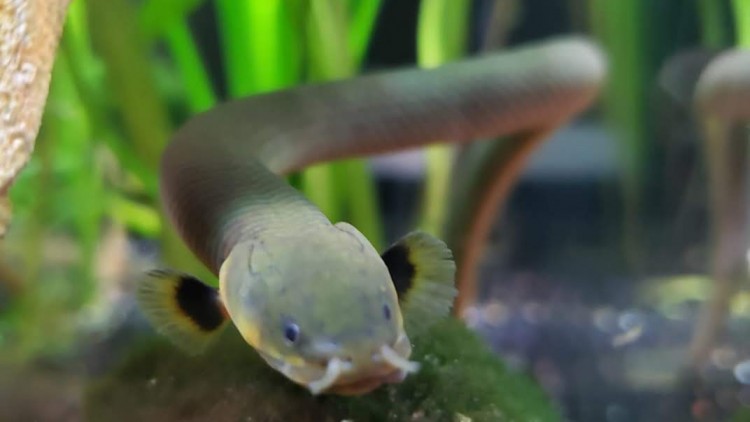
Rope Fish, also known as Erpetoichthys calabaricus, is a unique freshwater fish native to the rivers and streams of West Africa. They are known for their long, snake-like appearance and are a popular choice among aquarium hobbyists. They can grow up to 3 feet in length and require a large aquarium to thrive.
Diet & nutrition
Rope Fish are carnivorous and require a diet rich in protein. They will eat a variety of live and frozen foods, including small fish, shrimp, and worms. They are also known to eat small crustaceans, insects, and even frogs. They should be fed a varied diet to ensure that they receive all the necessary nutrients.
Determining sex
Male and female Rope Fish look very similar, making it difficult to differentiate between them. However, during the breeding season, males will develop small white spots on their bodies, while females will become slightly rounder.
Breeding & spawning
Rope Fish are not commonly bred in captivity. They require specific water conditions and may not breed in a home aquarium. They are known to lay their eggs on plants and other surfaces in the aquarium, and the fry will become free-swimming in about 7-10 days.
Diseases
Rope Fish are relatively hardy fish and are not prone to any specific diseases. However, like all fish, they are susceptible to common aquarium diseases such as fin rot, ich, and bacterial infections. Maintaining a clean and well-maintained aquarium with proper water conditions can help prevent these diseases.
Origination
Rope Fish is native to the slow-moving rivers and streams of West Africa, specifically in Nigeria, Cameroon, and Chad.
Cautions
Rope Fish are peaceful and non-aggressive, but they are predatory and will eat smaller fish and crustaceans. Care should be taken when selecting tank mates to ensure that they are not eaten. They should be kept in a large aquarium with plenty of hiding spots and areas to explore.
Acclimation process
Before adding Rope Fish to your aquarium, it is important to acclimate them slowly to the new water conditions. Float the sealed bag containing the fish in the aquarium for 15-20 minutes to equalize the temperature. Then, add small amounts of aquarium water to the bag every 5-10 minutes until the bag is full. Finally, use a net to gently transfer the fish into the aquarium.
Related articles
These will pull posts tagged to this species (not tied to the species record).
All photos
Tap a photo to open the gallery viewer.