Red Bristlenose Pleco
Ancistrus sp
Featured guide
This will pull the most popular / featured article tagged to this species.
Water parameters
Water parameters are being added.
About Red Bristlenose Pleco
General information
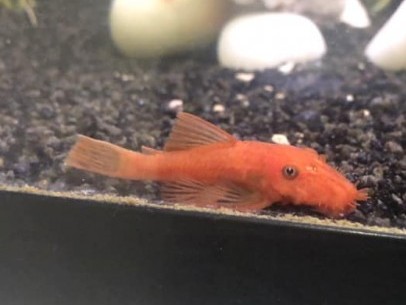
The Red Bristlenose Pleco, also known as the Red Bushynose or Super Red Bristlenose, is a popular freshwater fish in the aquarium trade. Its scientific name is Ancistrus sp.
The Red Bristlenose Pleco is a small, peaceful fish that can grow up to 4 inches (10 cm) in length. It has a stout and flat body with a wide head, and its body is covered with bony plates. The fish has a reddish-brown coloration with black spots, and its belly is pale. The fish is an omnivore and can survive in a wide range of water conditions.
Diet & nutrition
The Red Bristlenose Pleco is an omnivore that feeds on algae, vegetables, and meaty foods. It is important to provide a varied diet to ensure the fish receives all the necessary nutrients. It is recommended to feed the fish algae wafers, sinking pellets, and fresh vegetables such as cucumber, zucchini, and spinach.
Determining sex
It can be challenging to determine the sex of Red Bristlenose Plecos until they reach sexual maturity. Male Red Bristlenose Plecos have longer and thicker bristles on their face and head compared to females. Males also have broader heads and are generally larger in size.
Breeding & spawning
Red Bristlenose Plecos are relatively easy to breed in captivity. The fish is a cave spawner, and the male will guard the eggs until they hatch. It is recommended to provide the fish with caves or other hiding places to encourage spawning. The water temperature should be around 77-82°F (25-28°C), and the pH should be between 6.5-7.5. The female will lay up to 200 eggs, and the eggs will hatch in around 4-7 days.
Diseases
Red Bristlenose Plecos are relatively hardy fish and are not prone to many diseases. However, they can be susceptible to bacterial and fungal infections, which can be treated with medication.
Origination
The Red Bristlenose Pleco is native to South America, specifically in the Amazon River Basin.
Cautions
Red Bristlenose Plecos are generally peaceful fish and can be kept with other peaceful fish species. However, males can be territorial, especially during breeding. It is recommended to provide multiple hiding places in the aquarium to reduce aggression.
Acclimation process
It is important to acclimate the fish slowly to the aquarium water to prevent stress and shock. Float the fish in its bag on the aquarium water's surface for around 15-20 minutes to allow the temperature to equalize. Afterward, gradually add small amounts of aquarium water to the bag over the next hour before releasing the fish into the aquarium.
Related articles
These will pull posts tagged to this species (not tied to the species record).
All photos
Tap a photo to open the gallery viewer.