Long Fin Tetra
Brycinus longipinnis
Featured guide
This will pull the most popular / featured article tagged to this species.
Water parameters
Water parameters are being added.
About Long Fin Tetra
General information
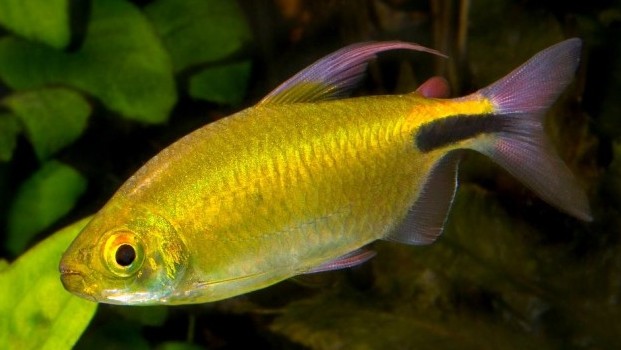
The Long Fin Tetra is a peaceful, schooling fish that can grow up to 3 inches in length. They are typically silver with a black horizontal stripe running along the body and long flowing fins. These fish prefer to be kept in groups of 6 or more, and they are best kept in aquariums with plenty of plants and hiding places. They are generally hardy and easy to care for, making them a good choice for beginner aquarists.
Diet & nutrition
Long Fin Tetras are omnivorous and will eat a variety of foods, including flakes, pellets, freeze-dried foods, and live or frozen foods like bloodworms and brine shrimp. It is important to provide a balanced diet and avoid overfeeding, as this can lead to health issues and poor water quality.
Determining sex
Male Long Fin Tetras are generally slimmer and more brightly colored than females, especially during breeding season when they may develop a red or orange coloration on their fins.
Breeding & spawning
Long Fin Tetras are egg scatterers and will breed readily in a well-planted aquarium with plenty of hiding places. They will lay their eggs among plants or other surfaces, and the parents should be removed from the breeding tank once the eggs have been laid, as they may eat the eggs. The eggs will hatch in 1-3 days, and the fry should be fed small, frequent meals of infusoria or commercially available fry food.
Diseases
Long Fin Tetras are generally hardy and resistant to disease, but they can be susceptible to common aquarium ailments like fin rot, ich, and velvet. It is important to maintain good water quality and avoid overcrowding to prevent stress and disease outbreaks.
Origination
The Long Fin Tetra is native to South America, where it is found in the Amazon River basin and other tributaries.
Cautions
Long Fin Tetras are generally peaceful and compatible with a wide range of tank mates, but they may nip at the fins of other long-finned fish or slow-moving species. They may also be intimidated by larger, more boisterous tank mates.
Acclimation process
Long Fin Tetras should be acclimated slowly to their new aquarium to avoid shock and stress. Float the bag containing the fish in the aquarium for 15-20 minutes to equalize the temperature, then gradually add small amounts of aquarium water to the bag every 5-10 minutes for about an hour before releasing the fish into the aquarium.
Related articles
These will pull posts tagged to this species (not tied to the species record).
All photos
Tap a photo to open the gallery viewer.