Japan Blue Red Tail Guppy
Poecilia reticulata
Featured guide
This will pull the most popular / featured article tagged to this species.
Water parameters
Water parameters are being added.
About Japan Blue Red Tail Guppy
General information
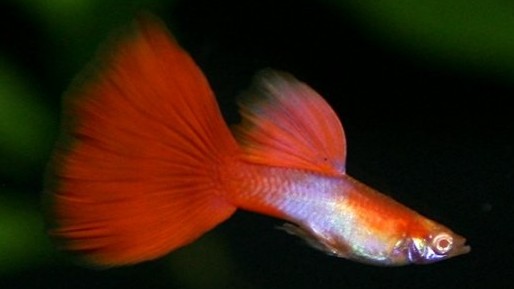
The Japan Blue Red Tail Guppy is a popular and colorful freshwater fish that is commonly kept in aquariums. These fish are relatively small, usually growing to around 2 inches (5 cm) in length. They are known for their vibrant blue coloration and striking red tails. In addition to their bright colors, Japan Blue Red Tail Guppies are also known for their active and playful behavior.
Diet & nutrition
The Japan Blue Red Tail Guppy is an omnivore, meaning it eats both plant and animal matter. In captivity, they should be fed a varied diet that includes both high-quality commercial fish food and live or frozen foods such as brine shrimp, bloodworms, and daphnia.
Determining sex
Males and females of this species are easy to distinguish. Males have a pointed and colorful tail fin, while females have a rounded and often drab-colored tail fin. In addition, males are generally smaller and more slender than females.
Breeding & spawning
Japan Blue Red Tail Guppies are livebearers, meaning they give birth to live young rather than laying eggs. Breeding these fish is relatively easy, and they will breed readily in a well-maintained aquarium. Females can give birth to dozens of fry at once, so it's important to have a plan in place for what to do with the offspring.
Diseases
Like all fish, Japan Blue Red Tail Guppies are susceptible to a variety of diseases and health problems. Common ailments include fin rot, ich, and velvet disease. These can often be prevented by maintaining good water quality and providing a balanced and varied diet. If you notice any signs of illness in your fish, such as lethargy, loss of appetite, or unusual behavior, it's important to take action quickly to prevent the spread of disease.
Origination
The Japan Blue Red Tail Guppy is a selectively bred variety of the wild guppy, which is native to parts of Central and South America.
Acclimation process
When introducing new Japan Blue Red Tail Guppies to your aquarium, it's important to acclimate them slowly to the new environment. This can be done by floating the bag containing the fish in the aquarium for 15-20 minutes to allow the water temperatures to equalize and then gradually adding small amounts of aquarium water to the bag over the course of an hour or so.
Related articles
These will pull posts tagged to this species (not tied to the species record).
All photos
Tap a photo to open the gallery viewer.