Featherfin Cichlid
Cyathopharynx furcifer
Featured guide
This will pull the most popular / featured article tagged to this species.
Water parameters
Water parameters are being added.
About Featherfin Cichlid
General information
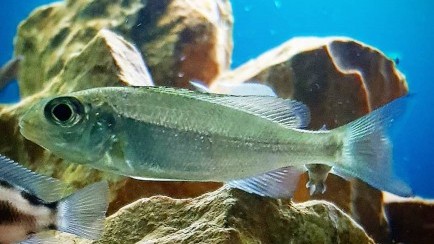
The Featherfin Cichlid, also known as the Forktail Cichlid, is a freshwater species that belongs to the family Cichlidae. They are endemic to Lake Tanganyika in East Africa and are highly sought after by aquarium hobbyists due to their unique appearance.
The Featherfin Cichlid has a distinct elongated body shape and can grow up to 6 inches (15 cm) in length. Their body is mainly silver with black horizontal stripes and a vibrant blue sheen on their dorsal fin. The male Featherfin Cichlid also has longer and more elaborate dorsal and anal fins compared to the female.
Diet & nutrition
In their natural habitat, Featherfin Cichlids are primarily carnivorous and feed on small invertebrates such as crustaceans and insect larvae. In captivity, they can be fed a diet of high-quality pellets, flakes, and frozen or live foods such as brine shrimp and bloodworms.
Determining sex
Sexing Featherfin Cichlids can be difficult as there are no distinct physical differences between males and females. However, males tend to have longer and more elaborate dorsal and anal fins.
Breeding & spawning
Featherfin Cichlids are known to be substrate spawners and will lay their eggs in rocky crevices or caves. The male will usually guard the eggs and fry while the female will defend the breeding territory.
Diseases
Featherfin Cichlids are generally hardy fish but can still be susceptible to common fish diseases such as Ich, Fin Rot, and Bloat. Maintaining good water quality and avoiding overfeeding can help prevent these diseases.
Acclimation process
It is recommended to slowly acclimate Featherfin Cichlids to their new environment by gradually adding small amounts of water from the aquarium they will be housed in. This process should take at least 30 minutes to an hour to prevent shock and stress.
Related articles
These will pull posts tagged to this species (not tied to the species record).
All photos
Tap a photo to open the gallery viewer.