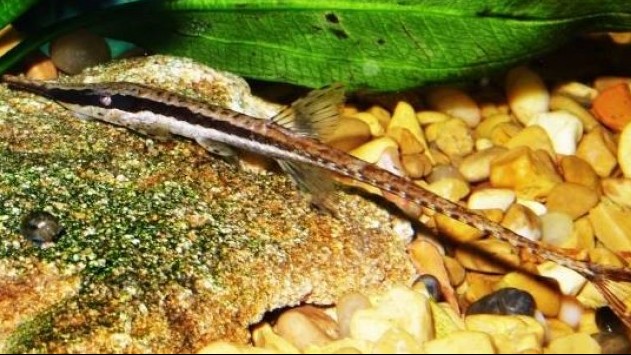
Farlowella Catfish
Rineloricaria microlepidogaster
Featured guide
This will pull the most popular / featured article tagged to this species.
Water parameters
Water parameters are being added.
About Farlowella Catfish
General information
The Farlowella Catfish, also known as Twig Catfish, is a peaceful, bottom-dwelling species that can reach up to 8 inches in length. It has a long, slender body with a pointed snout that resembles a twig, which is useful for camouflage. This species is nocturnal and will hide during the day in plants or driftwood. They are best kept in a large tank with plenty of hiding spots and low water flow.
Diet & nutrition
The Farlowella Catfish is an herbivore and requires a diet rich in plant matter. They will eat algae, vegetables such as zucchini and cucumber, and sinking algae wafers.
Determining sex
It can be difficult to determine the sex of the Farlowella Catfish. Males tend to have a more elongated snout, and females are usually wider and more rounded.
Breeding & spawning
Breeding the Farlowella Catfish in a home aquarium is difficult, and there are few reports of successful breeding. They are known to lay their eggs on submerged plants or driftwood. Once the eggs hatch, the fry will feed on algae and other microscopic organisms.
Diseases
The Farlowella Catfish is generally a hardy species, but they are susceptible to common freshwater diseases such as Ich and bacterial infections. Ensure that the water quality is high and stable to avoid any health issues.
Origination
The Farlowella Catfish is native to South America, specifically the Amazon River basin.
Cautions
This species has sharp spines along its body that can cause injury if not handled carefully. They also require a mature aquarium as they are sensitive to changes in water parameters.
Acclimation process
It is important to acclimate the Farlowella Catfish slowly to the new tank water. Float the bag containing the fish in the aquarium for 15-20 minutes to equalize the temperature. Then, slowly add small amounts of aquarium water to the bag over the next hour before releasing the fish into the tank.
Related articles
These will pull posts tagged to this species (not tied to the species record).
All photos
Tap a photo to open the gallery viewer.