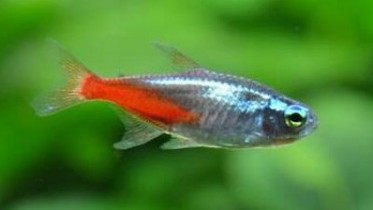
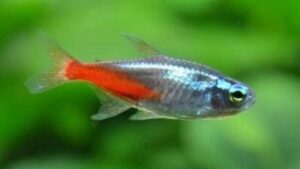
Diamond Head Neon Tetra
Paracheirodon innesi
Featured guide
This will pull the most popular / featured article tagged to this species.
Water parameters
Water parameters are being added.
About Diamond Head Neon Tetra
General information
The Diamond Head Neon Tetra is a small, peaceful freshwater fish that can reach up to 1.5 inches (3.8 cm) in length. They are a popular species for aquariums due to their vibrant coloration and ease of care. The Diamond Head Neon Tetra is often kept in schools of at least six individuals, and they prefer a well-planted aquarium with soft, slightly acidic water.
Diet & nutrition
The Diamond Head Neon Tetra is an omnivore and will accept a variety of foods, including flake, frozen, and live foods. Their diet should include a mix of protein-rich foods, such as brine shrimp or bloodworms, and vegetable matter, such as spirulina or algae wafers.
Determining sex
Male Diamond Head Neon Tetras tend to be smaller and slimmer than females, with more pronounced coloration. Females are larger and rounder, especially when carrying eggs.
Breeding & spawning
Breeding Diamond Head Neon Tetras can be difficult, as they require very specific water conditions and a dimly lit environment. They are egg scatterers, meaning that the female will release her eggs and the male will fertilize them as they fall through the water column. After spawning, the adults should be removed from the breeding tank to prevent them from eating the eggs.
Diseases
Diamond Head Neon Tetras are generally hardy and not prone to many diseases. However, they can be susceptible to common fish ailments such as Ichthyophthirius multifiliis, fin rot, and bacterial infections. Maintaining good water quality and avoiding overcrowding can help prevent these issues.
Origination
The Diamond Head Neon Tetra is native to the blackwater streams and tributaries of the Amazon River basin in South America.
Cautions
The Diamond Head Neon Tetra is generally a peaceful species and can be kept with other peaceful community fish. However, they may nip at the fins of long-finned fish, such as bettas or guppies.
Acclimation process
When introducing Diamond Head Neon Tetras to a new aquarium, it is important to acclimate them slowly to prevent shock or stress. The drip acclimation method is recommended, which involves slowly adding water from the aquarium to the bag containing the fish over a period of several hours.
Related articles
These will pull posts tagged to this species (not tied to the species record).
All photos
Tap a photo to open the gallery viewer.