Common Discus
Symphysodon discus
Featured guide
This will pull the most popular / featured article tagged to this species.
Water parameters
Water parameters are being added.
About Common Discus
General information
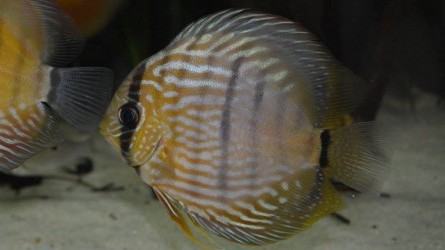
The Common Discus is a popular freshwater fish that is known for its beautiful coloration and unique body shape. They can grow up to 8 inches (20 cm) in diameter and require a minimum tank size of 50 gallons. They are native to the Amazon River basin in South America.
Diet & nutrition
In the wild, Discus feed on a variety of small aquatic invertebrates, worms, and crustaceans. In captivity, they should be fed a varied diet that includes high-quality flakes, pellets, frozen or freeze-dried foods, and live foods such as bloodworms and brine shrimp.
Determining sex
Males and females are similar in appearance, but males are generally larger and have more pointed dorsal and anal fins. During breeding, the female's breeding tube will become more prominent and the male's coloration may become more intense.
Breeding & spawning
To breed Discus, provide a separate breeding tank with a temperature around 82-86°F (28-30°C), a pH between 6.0-6.5, and soft, acidic water. The female will lay eggs on a flat surface and the male will fertilize them. After spawning, the parents should be removed and the eggs should be left to hatch on their own. The fry should be fed a diet of newly hatched brine shrimp and other small live foods.
Diseases
Discus are susceptible to several common aquarium diseases including ich, bacterial infections, and fungal infections. They are also prone to stress-related diseases such as hole-in-the-head disease and bloat.
Origination
The Common Discus is native to the Amazon River basin in South America.
Cautions
Discus are sensitive to changes in water quality and require regular water changes and maintenance to prevent diseases. They can be susceptible to stress-related illnesses and should not be kept with aggressive fish or fish that are significantly larger than them.
Acclimation process
When introducing Discus to a new aquarium, it is important to acclimate them slowly. Float the bag containing the fish in the aquarium for about 15-20 minutes to equalize the temperature. Then, slowly add small amounts of aquarium water to the bag over a period of at least 30 minutes. This will allow the fish to adjust to the new water conditions and prevent shock.
Related articles
These will pull posts tagged to this species (not tied to the species record).
All photos
Tap a photo to open the gallery viewer.