Borneo Glass Catfish
Ompok eugeneiatus
Featured guide
This will pull the most popular / featured article tagged to this species.
Water parameters
Water parameters are being added.
About Borneo Glass Catfish
General information
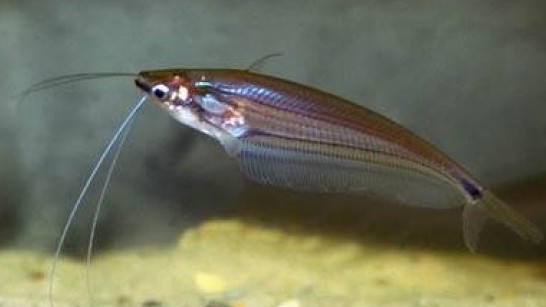
The Borneo Glass Catfish (Ompok eugeneiatus) is a freshwater fish species that belongs to the family Siluridae. It is native to Southeast Asia, specifically found in the river basins of Borneo and Sumatra. The fish is transparent with a silvery sheen and has a slender body shape with a long anal fin. It can grow up to 8 inches in length and lives for about 3-4 years on average.
Diet & nutrition
The Borneo Glass Catfish is an omnivore, and in the wild, it feeds on small invertebrates such as insects, crustaceans, and worms. In captivity, they will accept a variety of foods including commercial pellets, flakes, frozen foods, and live foods such as brine shrimp and bloodworms.
Determining sex
It is difficult to determine the sex of the Borneo Glass Catfish visually, as they do not have any distinct external sexual characteristics. However, males may be slightly slimmer and have a more pointed anal fin compared to females.
Breeding & spawning
Breeding Borneo Glass Catfish in captivity is difficult, as they are not commonly bred in the aquarium hobby. They are known to breed in rivers during the rainy season, where the females scatter their eggs on the substrate. Once hatched, the fry are free-swimming and require small live foods.
Diseases
Borneo Glass Catfish are generally hardy fish and are not prone to any specific diseases. However, like all fish, they are susceptible to common aquarium diseases such as ich and fin rot.
Origination
The Borneo Glass Catfish is native to Southeast Asia, specifically found in the river basins of Borneo and Sumatra.
Cautions
Borneo Glass Catfish can be sensitive to changes in water parameters, and require stable and consistent water conditions. They can also be easily frightened and may jump out of the aquarium, so it is important to provide a tight-fitting lid.
Acclimation process
It is recommended to acclimate the Borneo Glass Catfish slowly to their new aquarium environment, by floating the bag in the aquarium for 15-20 minutes to allow the temperature to equalize. Then, add small amounts of aquarium water to the bag over the course of an hour, before finally netting the fish out and placing them in the aquarium.
Related articles
These will pull posts tagged to this species (not tied to the species record).
All photos
Tap a photo to open the gallery viewer.