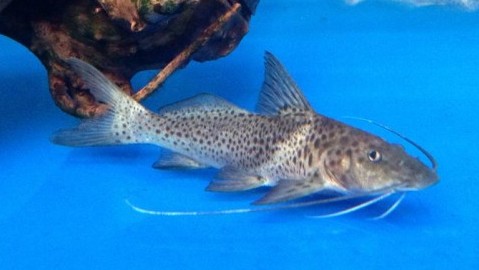
Bolt Catfish
Aguarunichthys torosus
Featured guide
This will pull the most popular / featured article tagged to this species.
Water parameters
Water parameters are being added.
About Bolt Catfish
General information
The Bolt Catfish, also known as the Torpedo Catfish, is a freshwater species that belongs to the family Auchenipteridae. It is native to South America and can be found in the Amazon basin and its tributaries. The Bolt Catfish is a nocturnal species that is known for its torpedo-like body shape and quick movements. It is a popular species among aquarists due to its unique appearance and active behavior.
Diet & nutrition
In the wild, Bolt Catfish primarily feeds on small aquatic invertebrates such as insects, crustaceans, and worms. In captivity, they can be fed a diet of frozen or live foods such as bloodworms, brine shrimp, and blackworms. They may also accept high-quality sinking pellets or flakes.
Determining sex
It is difficult to determine the sex of Bolt Catfish based on their physical appearance alone. However, during breeding season, males will develop small bony hooks on their pectoral fins that are used to grasp onto the female during mating.
Breeding & spawning
Bolt Catfish are difficult to breed in captivity due to their specific breeding requirements. They require soft and acidic water with a pH between 5.0-6.5 and a temperature around 79-82°F. The males will construct a nest out of plant matter where the eggs are laid and fertilized. After hatching, the fry is cared for by the male until they are large enough to fend for themselves.
Diseases
Bolt Catfish are generally hardy and resistant to disease. However, like all fish, they are susceptible to bacterial and parasitic infections if their water quality is not maintained properly.
Origination
Bolt Catfish are native to South America, specifically the Amazon basin and its tributaries.
Cautions
Bolt Catfish are generally peaceful and can be kept with other non-aggressive species. However, they have been known to eat small fish and invertebrates that can fit into their mouth. Providing hiding places and plenty of space is important to prevent aggressive behavior.
Acclimation process
Bolt Catfish should be acclimated slowly to their new environment to prevent stress and shock. The water in the bag should be slowly mixed with the aquarium water over the course of 1-2 hours.
Related articles
These will pull posts tagged to this species (not tied to the species record).
All photos
Tap a photo to open the gallery viewer.