Black Harlequin Rasbora
Rasbora heteromorpha
Featured guide
This will pull the most popular / featured article tagged to this species.
Water parameters
Water parameters are being added.
About Black Harlequin Rasbora
General information
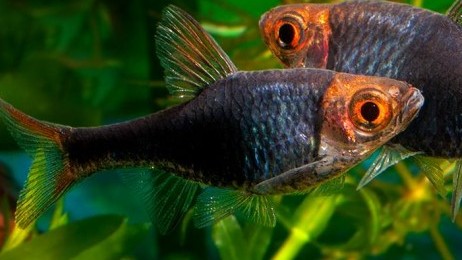
The Black Harlequin Rasbora is a small, peaceful freshwater fish that grows to an average size of 1.5 inches (4 cm). It has a black body with a red tail and a red triangular patch on its side. It is an active swimmer and does well in groups of six or more in a tank of at least 10 gallons (38 liters). It prefers a well-planted tank with plenty of hiding places and low to moderate lighting.
Diet & nutrition
The Black Harlequin Rasbora is an omnivorous fish and will eat a variety of foods including flakes, pellets, frozen or live brine shrimp, bloodworms, and daphnia. It is recommended to feed them small portions multiple times a day to prevent overfeeding and ensure proper nutrition.
Determining sex
Male Black Harlequin Rasboras are typically smaller and have a slimmer body than females. Males also have more vibrant colors, especially during the breeding season.
Breeding & spawning
The Black Harlequin Rasbora is relatively easy to breed in captivity. To encourage spawning, a separate breeding tank with soft, acidic water and plenty of fine-leaved plants should be set up. The female can lay up to 50 eggs, which the male will fertilize and guard until they hatch in about 24-36 hours. Fry can be fed infusoria or commercially prepared fry food.
Diseases
The Black Harlequin Rasbora is generally hardy and disease-resistant when kept in clean, well-maintained tanks. However, like all fish, it can be susceptible to diseases such as ich, velvet, and fin rot if water quality is poor or if it is stressed due to improper tank conditions.
Origination
The Black Harlequin Rasbora is native to Southeast Asia, specifically Thailand, Malaysia, and Indonesia.
Cautions
The Black Harlequin Rasbora is generally a peaceful fish and can coexist with other small, non-aggressive fish. However, it may become stressed and aggressive if kept with larger or more aggressive fish. It is also sensitive to water parameters, so regular water changes and monitoring of water quality is essential for its health.
Acclimation process
When introducing the Black Harlequin Rasbora to a new tank, it is important to acclimate it slowly to avoid shock. Float the bag containing the fish in the tank for 15-20 minutes to allow the temperature to equalize. Then, add a small amount of tank water to the bag every 5-10 minutes until the bag is full. Finally, use a net to transfer the fish to the tank.
Related articles
These will pull posts tagged to this species (not tied to the species record).
All photos
Tap a photo to open the gallery viewer.