Asian Bumblebee Catfish
Pseudomystus siamensis
Featured guide
This will pull the most popular / featured article tagged to this species.
Water parameters
Water parameters are being added.
About Asian Bumblebee Catfish
General information
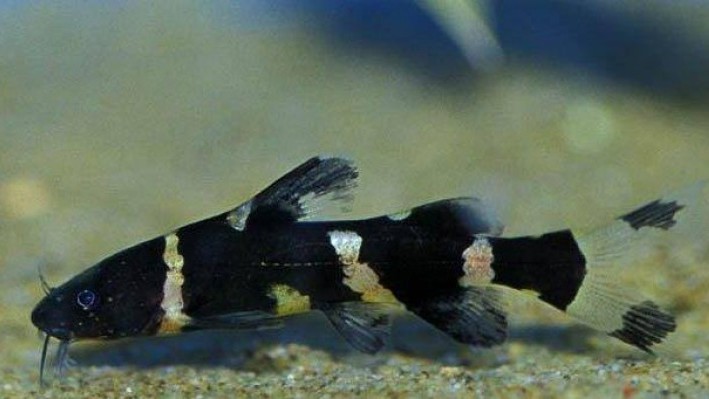
The Asian Bumblebee Catfish (Pseudomystus siamensis) is a freshwater species native to Southeast Asia, specifically Thailand and Malaysia. They are part of the family Bagridae and are also commonly known as Siamese Butterfly Catfish. They have a slender, elongated body shape with a dark brown or black base color, covered in a beautiful pattern of golden yellow stripes.
Diet & nutrition
In the wild, Asian Bumblebee Catfish are omnivorous, feeding on small invertebrates, algae, and plant matter. In captivity, they can be fed a diet consisting of high-quality pellet or flake food supplemented with live or frozen foods such as brine shrimp, bloodworms, and daphnia.
Determining sex
It can be difficult to determine the sex of an Asian Bumblebee Catfish visually as males and females have similar external characteristics. However, during breeding, males may develop more elongated genital papillae.
Breeding & spawning
Breeding Asian Bumblebee Catfish in captivity is challenging and requires specific water conditions and diet. In the wild, they are known to lay their eggs on the undersides of leaves or other submerged objects. Once the eggs hatch, the fry will attach themselves to the underside of the leaves or other objects until they are big enough to swim freely.
Diseases
Asian Bumblebee Catfish are relatively hardy and not particularly susceptible to any specific diseases. However, as with any aquarium fish, they can be susceptible to common fish diseases such as fin rot, bacterial infections, and parasitic infections.
Origination
Asian Bumblebee Catfish are native to Southeast Asia, specifically Thailand and Malaysia. They can be found in slow-moving freshwater rivers and streams with sandy or muddy bottoms.
Cautions
Asian Bumblebee Catfish are generally peaceful and make good community fish, but they can be aggressive towards smaller fish, so it is best to keep them with larger fish. They are also nocturnal and may hide during the day.
Acclimation process
When introducing Asian Bumblebee Catfish to a new aquarium, it is important to acclimate them slowly to prevent stress and shock. The drip acclimation method is recommended, where water from the aquarium is slowly added to the container holding the fish over a period of time.
Related articles
These will pull posts tagged to this species (not tied to the species record).
All photos
Tap a photo to open the gallery viewer.