



- Name:
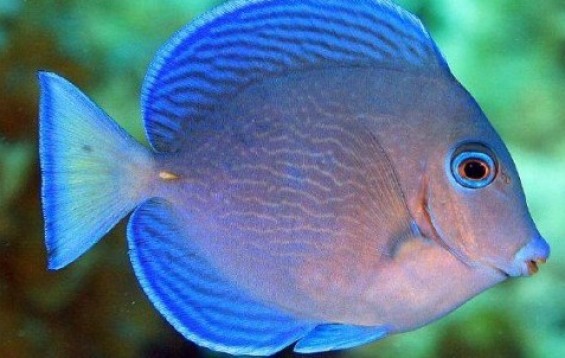
Atlantic Blue Tang
(View AKA's) - Family: Acanthuridae
- Species: Tang and Surgeons
- Scientific Name: Acanthurus coeruleus
More Details
General info about Atlantic Blue Tang
The Blue Caribbean Tang has an oval body with bold markings that change as the fish matures from juvenile to adult. A juvenile is bright yellow with two blue bands on the eyes, and additional blue markings at the fringes of the dorsal and caudal fins. When mature, the blue will become even brighter with markings running horizontally along the entire body. It may have a yellow tail. A large aquarium is necessary to provide plenty of swimming room. It is aggressive towards other Tangs and Surgeonfish, but peaceful with other fish.
Relevent Articles




Original Detail
| Name | Species | Family | Scientific Name | More Detail | Added by |
|---|---|---|---|---|---|
| Atlantic Blue Tang | Tang and Surgeons | Acanthuridae | Acanthurus coeruleus | The Blue Caribbean Tang has an oval body with bold markings that change as the fish matures from juvenile to adult. A juvenile is bright yellow with two blue bands on the eyes, and additional blue markings at the fringes of the dorsal and caudal fins. When mature, the blue will become even brighter with markings running horizontally along the entire body. It may have a yellow tail. A large aquarium is necessary to provide plenty of swimming room. It is aggressive towards other Tangs and Surgeonfish, but peaceful with other fish. | PalaciosAn |
Changed by users
| Submitted Date | Submitted By | Status | Action |
|---|