
Marbled Bamboo Cat Shark
Chiloscyllium plagiosum
Saltwater Fish
Species Group: Shark
Family: Hemiscyllidae
Log in or create an account to add this species to your tanks.
Water parameters
Temp
76-80 F
Temperature
Maintaining a stable and appropriate temperature is critical for the survival of aquatic life.
pH 7.8 - 8.4 potential of HydrogenMeasuring the acidity or alkalinity of water on a 0–14 scale, where 7 is neutral, 7 is alkaline.
NO3 1-20 ppm NitrateWhile less toxic than ammonia, high nitrate levels (above 40–80 ppm) are important to monitor because they can cause fish stress, stunted growth, and harmful algae blooms.
NO2 <0.0001 ppm NitriteIt is a highly toxic, intermediate compound in the nitrogen cycle produced from broken-down ammonia
PO4 0.01 - 0.1 ppm PhosphateIt is essential for plant development but must be managed, as excess levels trigger nuisance algae blooms and inhibit coral calcification.
NH3 <0.1 ppm AmmoniaIt is the primary killer of aquarium fish, causing gill damage, stress, and death
Ca 380 - 450 ppm CalciumSupporting the growth, skeletal structure, and shell formation of corals, mollusks, crustaceans, and coralline algae
KH 8 - 12 dKH AlkalinityIt acts as a shield, neutralizing acids to prevent dangerous pH "crashes" that can harm fish, corals, and plants.
Mg 1200 - 1400 ppm MagnesiumIt enables coral growth by supporting skeletal formation, assists in metabolic processes, and ensures that calcium is available for corals, clams, and coralline algae.
SG 1.023 - 1.026 SG SalinityEssential for maintaining stable, natural water parameters, proper osmoregulation, and stress-free environments for marine fish and corals
ORP 250 - 400 mV Oxidation-Reduction PotentialA higher positive mV indicates clean, oxygen-rich water with high water quality, while low readings indicate high pollution.
About Marbled Bamboo Cat Shark
General information
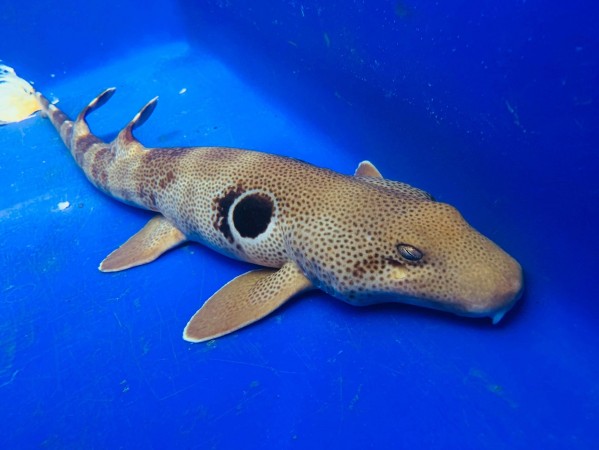
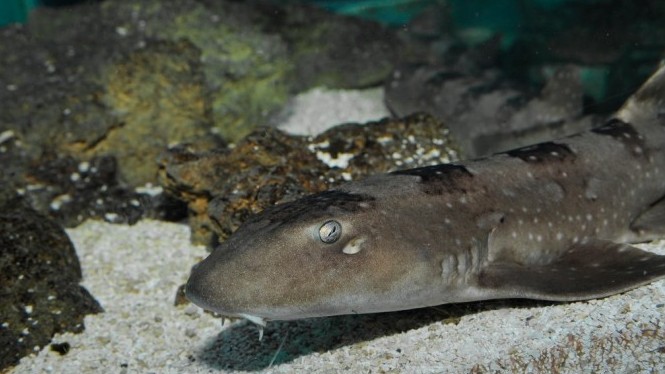
The Bamboo Shark has barbels at the mouth look like cat whiskers and has a brown-colored body with broad tan stripes and spots. The Bamboo Shark is a bottom dwelling shark that is common in the home aquarium. It will eat any crustacean in the aquarium. It stays relatively small but requires a very large aquarium as an adult. It requires sand as the substrate as the abdomen is easily scratched by a coarser substrate, which may lead to an infection. It should never be exposed to copper-based medications.
Diet & nutrition
Carnivor - Enjoys meaty food, feeding may be difficult in the beginning, and a stressed shark could fast for weeks before eating. When first introduced to your aquarium, small pieces of cleaned squid or live saltwater feeder shrimp should be used to entice them to eat. Shark eat a variety of chopped crustaceans including shrimp, scallops, slices of fresh marine fish, whole cockle in the shell, fresh shrimp, and squid, and frozen mussel is ideal. You should not feed by hand, if needed use a large feeding stick.
Should be feed 2-4 times a week, avoid overfeeding. Sharks should eat 3-5% of their body weight per week. Baby sharks should be feed small amounts daily.
A sharks belly should not bulge in size unless the shark is pregnant, if you start to see a large belly on the shark you should reduce the amount you are feeding.
Freezing their food for 7 days or more can help kill off any parasites or bacteria that is in the food. Food that has been frozen for more than 12 months should not be fed to the shark. Try to use your food before 6 months have passed.
Soaking foods in a liquid vitamin provides a boost in vitamins and minerals important to this shark's health. They also require a supplemental source of iodine to prevent goiter disease.
Determining sex
Look for claspers. Male sharks' pelvin fins are equipped with pairs of slender long claspers. These claspers jut out from the foundations of the pelvic fins, and are necessary for mating. The claspers of immature male sharks are a lot more subtle than those of adults, but they're still clearly visible.
Female sharks don't have claspers, so if you're looking around the pelvic fins, you'll see only their cloacas. These cavities are necessary not only for breeding but also for the elimination of waste. The males also have cloaca's.
Diseases
Sharks are prone to developing a goiter, a lump that appears on the outside of the throat area. Starting out as a small lump, over time it can develop into a very large growth that blocks the shark's throat, which prevents it from eating. A goiter is the result of the lack of iodine in the shark's diet. It takes many months for one to develop, and takes just as long to reverse it. It's important to take steps to supplement the shark's diet with needed iodine when a goiter is first noticed. If left alone, it will continue to grow larger to the point where the shark slowly dies from starvation.
Cautions
Course sand and live rock can scratch sharks especially on their bellies which can easily get infected. Make sure to provide a soft sand substrate to avoid.
Sharks are not reef-safe: They will nip at and eat crustaceans and coral and eat smaller, less aggressive tankmates. It's a good idea to keep sharks in a fish-only aquarium with relatively large, aggressive species that can hold their own with a shark. Ideal tankmates include Eels, Groupers, Snappers, Hawks, Hogs, Rabbits, Lions/Scorpions, Grunts/Sweetlips, Sharks and Rays, larger Angels, Parrots, Tangs/Surgeonfishes.
Triggers and Puffers will nip at the shark's fins and cause them to get stressed out and could stop eating.
Copper-based medications should never be used on this shark, so be sure to read the labels on products carefully.
Acclimation process
Sharks normally come large bags or cooler making them too large to float if that is the case then try to drip acclimate the shark, once you start the process try to complete the acclimation process within one hour.

All photos
Tap a photo to open the gallery viewer.