Fish

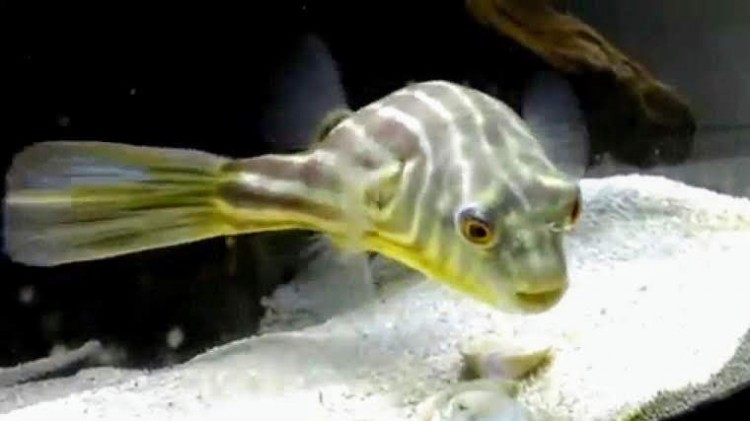
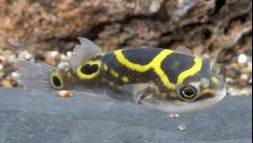
  • Figure 8 puffer

    General information These fish got their name due to their ability of inflating themselves with either water or air, these ability serves as a defense mechanism because it makes it harder for predators to swallow them if they are large and  balloon like. Their back is brown while their underside is white, they have yellow…
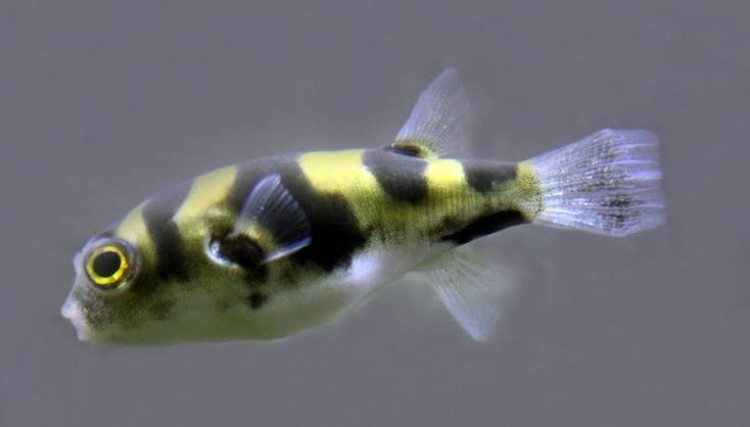
  • Target Puffer

    General information These fish are called puffers because they are able to inflate themselves. They can be green, yellow, white or tan and they can reach up to 5 inches. They have silver eyes outlined in red and an eye spot near the tail fin which can be of many different colors. To keep these…

  • Fahaka pufferfish

    General information Fahaka pufferfish is a species of freshwater pufferfish that belongs to the family Tetraodontidae. It is a relatively large pufferfish and can grow up to 45 cm (18 in) in length. It is native to the rivers and lakes of Africa, particularly in the Nile, Niger, and Congo basins. Fahaka pufferfish is also…

  • Amazon Puffer

    General information These fish got their name due to their ability of inflating themselves with either water or air, these ability serves as a defense mechanism because it makes it harder for predators to swallow them if they are large and  balloon like. These fish have five stripes on their body and they can reach…

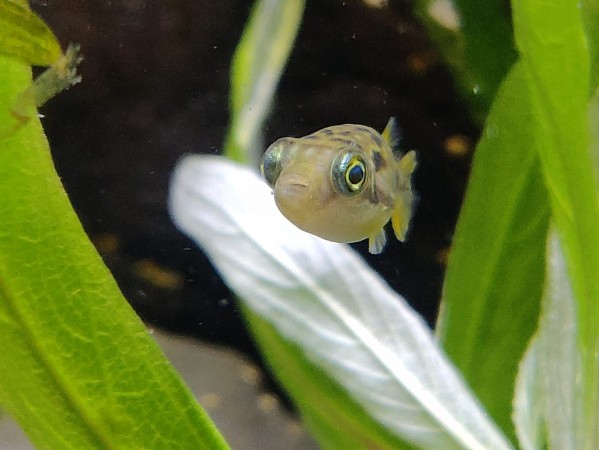
  • Dwarf Puffer

    General information These fish are called puffer fish because they have the ability to inflate their stomachs with water and air. Another interesting characteristic is  that their eyes are able to move independently from one another which allows them to observe their surroundings without moving. Regarding their physical characteristics they are brownish green with dark…

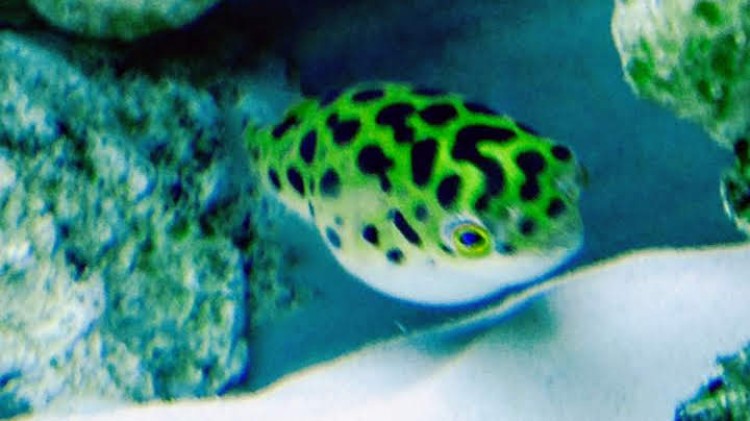
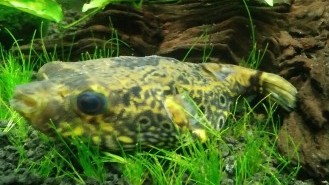
  • Spotted Congo Puffer

    General information Contrary to common belief puffer fish don’t live just in the saltwater. Spotted Congo Puffer (Tetraodon Schoutedeni) is one of the freshwater puffer species which naturally occurs in Pool Malebo (formerly Stanley Pool) a lake-like widening in the lower reaches of the Congo River system in the Democratic Republic of the Congo. Tetraodon…

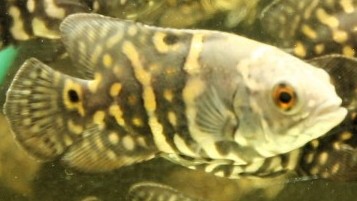
  • Astronotus crassipinnis

    General information The word crassipinnis is latin and can be translated to fat fish. These fish are black and have vertical stripes, they can reach 9.44 inches in length. To keep these fish in captivity, water pH should be between 6.5 and 6.9 and water temperature should range from 70ºF to 83ºF. The tank should…

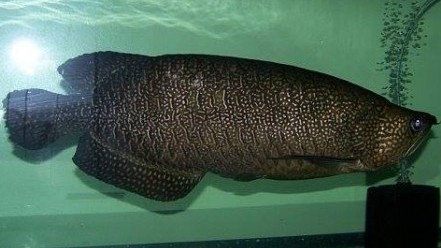
  • Australian bonytongue

    General information The Australian bonytongue is native to freshwater habitats of Northern Australia and Papua New Guinea. It prefers slow-moving and still waters, such as billabongs, swamps, and backwaters of rivers. The species can also be found in floodplains, lagoons, and standing water bodies.  The Australian bonytongue has a cylindrical body shape and a large…

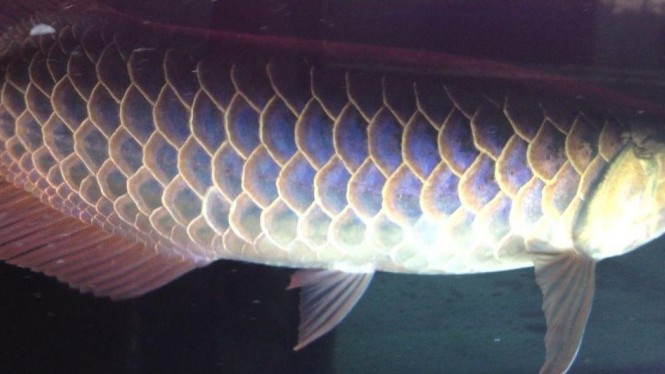
  • Asian arowana

    General information The Asian Arowana should be kept single or if you have multiple it requires a very large aquarium. This predator fish hunts its prey on the surface of slow-moving water. If scared Asian Arowana is known to jump out of aquariums so make sure that they have a tight-fitting lid to prevent them from…