Saltwater

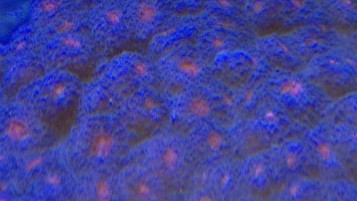
  • Alien Eye Chalice

    General information In general, species from Echinophyllia has an encrusting growth where their colonies can form folds or cups. The corallites that are located at the middle are usually elevated with warty bumps. The color of their mouth usually has a different color from their fleshy body. For the Alien Eye Chalice Echinophyllia, they are…

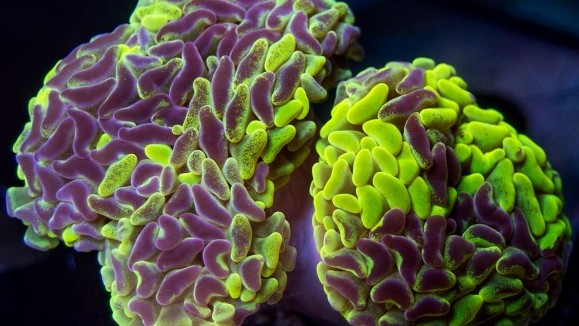
  • Bubble Gum Monster Chalice

    General information In general, species from Echinophyllia has an encrusting growth where their colonies can form folds or cups. The corallites that are located at the middle are usually elevated with warty bumps. The color of their mouth usually has a different color from their fleshy body. For the Bubble Gum Monster Chalice Echinophyllia, they…

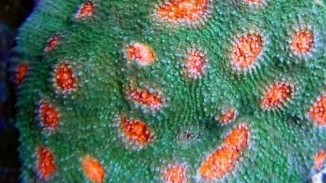
  • Creamsicle Chalice

    General information In general, species from Echinophyllia has an encrusting growth where their colonies can form folds or cups. The corallites that are located at the middle are usually elevated with warty bumps. The color of their mouth usually has a different color from their fleshy body. For the Creamsicle Chalice Echinophyllia, they are predominatly…

  • Pink Boobies Chalice Pectinia

    General information In general, corals coming from the genus Pectinia has a foliose type of coral growth. They usually form cabbage-like colonies with branches that are ruffled and terminate their edges with very sharp points.   This are the water parameters for cultivating Pink Boobies Chalice Pectinia: Calcium: 380 – 430 ppm Alkalinity: 3.2 –…

  • Oregon Mummy Eye Chalice

    General information In general, species from Echinophyllia has an encrusting growth where their colonies can form folds or cups. The corallites that are located at the middle are usually elevated with warty bumps. The color of their mouth usually has a different color from their fleshy body. For the Oregon Mummy Eye Chalice Echinophyllia, they…

  • Intergalactic Chalice

    General information In general, species from Echinophyllia has an encrusting growth where their colonies can form folds or cups. The corallites that are located at the middle are usually elevated with warty bumps. The color of their mouth usually has a different color from their fleshy body. For the Intergalactic Chalice Echinophyllia, they are predominatly…

  • Beginner Chalice Echinophyllia

    General information In general, species from Echinophyllia has an encrusting growth where their colonies can form folds or cups. The corallites that are located at the middle are usually elevated with warty bumps. The color of their mouth usually has a different color from their fleshy body. This are the water parameters for cultivating Beginner…

  • Alien Eye Favia

    General information In general, the genus Favia have large coral colonies that are circular in shape and comes in the form of massive, submassive and encrusting type. At a first glance, you can mistakenly identify Favia with Favites. However, with a closer look, Favia and Favites can easily be differentiated. Favites have corallite walls that…

  • Red Blasto

    General information In general, the Blastomussa corals has many small corallites that is usually swollen and round in shape. When the polyps are out,  the entire colony will look similar to a mushroom anemone. For the Red Blasto, they are entirely colored red. This are the water parameters for cultivating Red Blasto: Calcium: 400 –…