Saltwater

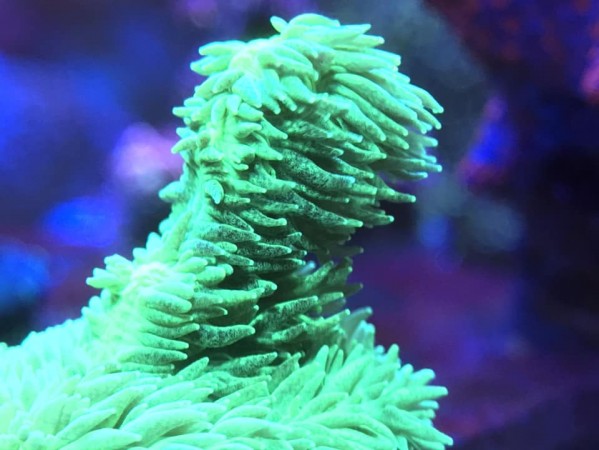
  • Black Widow Torch

    General information In general, corals from the genus Euphyllia have long tentacles that may stretch out 2 to 4 inches and are usually extended out most of the time. When the polyps are retracted, you can clearly see that each corallite is completely separated from each other and is encased by its own wall. This…

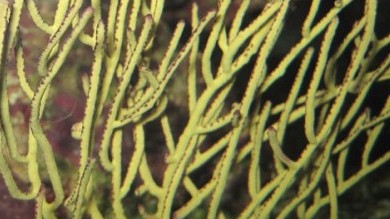
  • Red Sea Fan

    General information In general, sea fans coming from the genus Swiftia has a single main stem that arises from a small and narrow base. This genus of sea fan is sparsely branched and small in size that usually measures only 80 millimeter (3 inches) in height on the average. Their polyps are arranged irregularly and…

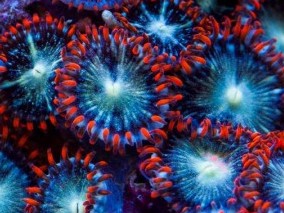
  • Pink Rays Zoas

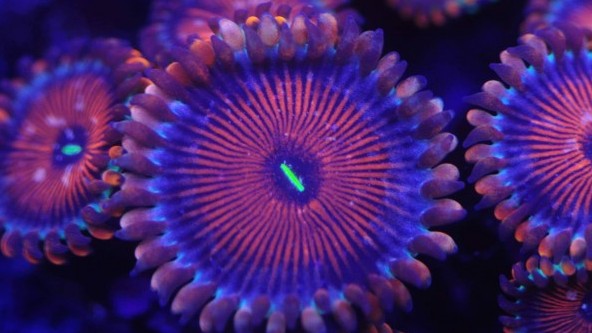
    General information <div class="more_detail"> <div class="more_detail">Zoanthids feature a hard exoskeleton and is considered one of the most durable inhabitants in a reef aquarium making them the perfect piece for newbie aquarist. Their appearance resembles like a cluster of miniature sea anemones that often creates a hard matting appearance. While they look similar with sea anemones,…

  • Knopia Polyp Rock

    General information In general, Clavularia are soft corals with several individual polyps that are attached to a piece of live rock. Their polyps are distinct where each polyps has eight tentacles/leaves. As for the Knopia Polyp Rock, they are predominatly colored cream with green mouth. This are the water parameters for cultivating Knopia Polyp Rock:…

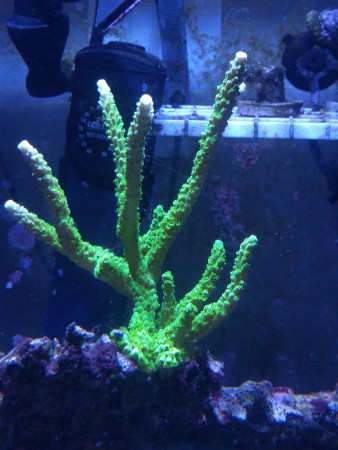
  • Pink Stylophora Coral

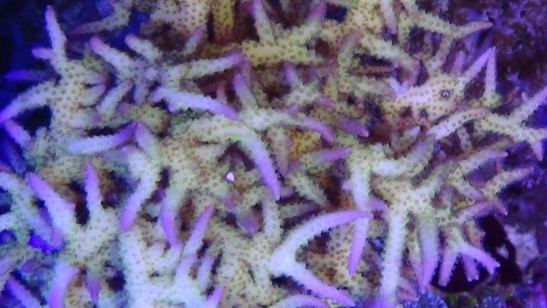
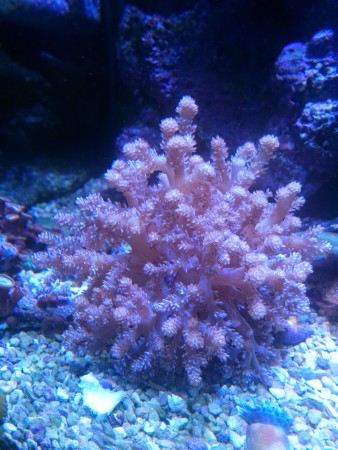
    General information In general, corals coming from the genus Stylophora usually has a branching type of coral growth. Depending on the species, their finger-like branches are highly variable when it comes to length and width. Their colony usually forms a dome with a depression at the middle which looks similar to a bird’s nest. For…

  • Spotted Mushroom Actinodiscus

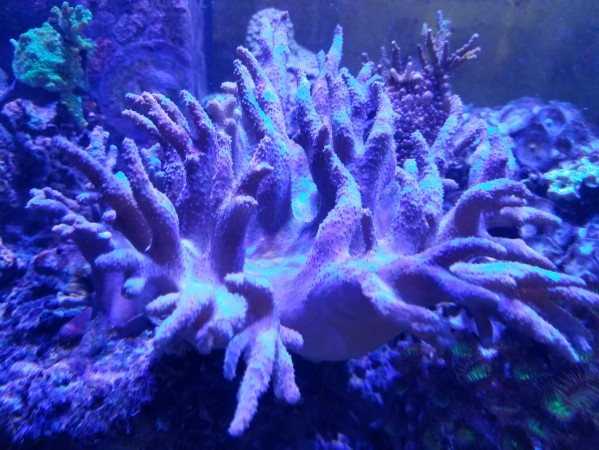
    General information In general, mushroom corals coming from the genus Actinodiscus are classified as a false coral without a skeleton, although their internal structures are the same with stony corals. Their stalk is very small that is located just above the pedal disc which is the area where they attach themselves to the substrate. As…

  • Brain Worm Platygyra Coral

    General information In general, corals coming from the genus Platygyra either comes in a massive or encrusting form. Instead of the typical circular shaped wall which is common in the Faviidae family, their corallite walls are long and elongated that usually creates a maze-like pattern. For the Brain Worm Platygyra Coral, they are predominatly colored…