Saltwater

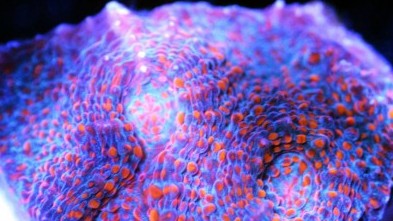
  • Hubba Bubba Chalice Pectinia

    General information In general, corals coming from the genus Pectinia has a foliose type of coral growth. They usually form cabbage-like colonies with branches that are ruffled and terminate their edges with very sharp points.   For the Hubba Bubba Chalice Pectinia, they are predominatly colored orange, violet and green. This are the water parameters…
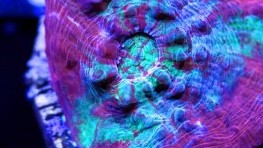
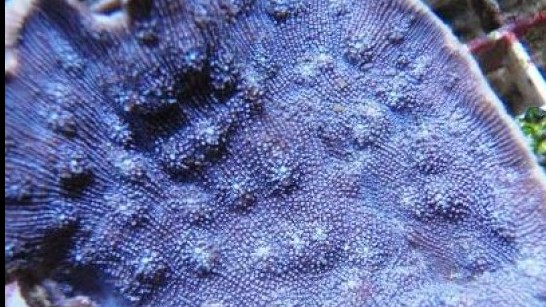
  • Jokers Wild Chalice

    General information In general, species from Echinophyllia has an encrusting growth where their colonies can form folds or cups. The corallites that are located at the middle are usually elevated with warty bumps. The color of their mouth usually has a different color from their fleshy body. This are the water parameters for cultivating Jokers…

  • Blue Chalice Echinopora

    General information In general, corals from the Genus Echinopora have large coral colonies that are circular in shape and takes in the form of massive, submassive and encrusting type. Their corallite walls are not well pronounced, but their mouth can be clearly spotted which is usually elevated. For the Blue Chalice Echinopora, they are predominatly colored…

  • Frogger Chalice

    General information In general, species from Echinophyllia has an encrusting growth where their colonies can form folds or cups. The corallites that are located at the middle are usually elevated with warty bumps. The color of their mouth usually has a different color from their fleshy body. For the Frogger Chalice Echinophyllia, they are predominatly…

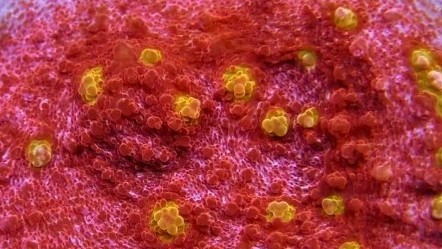
  • Golden Galaxy Chalice

    General information In general, species from Echinophyllia has an encrusting growth where their colonies can form folds or cups. The corallites that are located at the middle are usually elevated with warty bumps. The color of their mouth usually has a different color from their fleshy body. For the Golden Galaxy Chalice Echinophyllia, they are…

  • Afterburner Acan

    General information You also have to look out for other factors and must stay within the range: Calcium: 400 – 450 ppm Alkalinity: 3.2 – 4.8 MEQ/L Phosphates: 0 Magnesium: 1200 – 1350 Strontium: 8 – 10 Temperature: 76° – 83° F (24° – 28° C) Salinity / Specific Gravity: 1.023 – 1.025

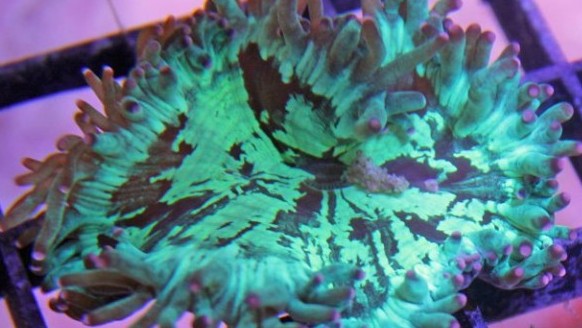
  • Nano Elegance Coral

    General information The Nano Elegance Coral has a close resemblance to sea anemones since they have relatively long tentacles. Regardless if night or day, their tentacles are always exposed and out showing their elegant color, especially with the right lghting rquirement. As for the Nano Elegance Coral, it is predominantly colored pink tentacles with white…

  • Blood and Gold Dust Favites

    General information In general, corals from the genus Favites looks similar to a Favia coral. But having a closer look allows you to spot a major difference which makes Favites a unique coral genera. You have to take note that the corallite walls of Favia corals are fused while the Favites are not. Although it…

  • 24k Tip Torch Euphyllia

    General information In general, corals from the genus Euphyllia have long tentacles that may stretch out 2 to 4 inches and are usually extended out most of the time. When the polyps are retracted, you can clearly see that each corallite is completely separated from each other and is encased by its own wall. For…

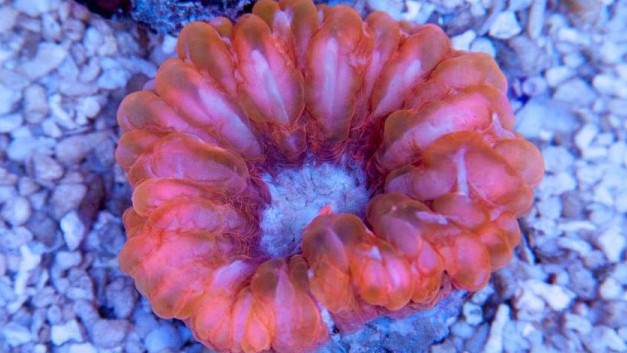
  • Blue Eye Cynarina

    General information Of all the species from the Mussidae Family, corals from the Cynarina genus are considered to have the largest single polyp, where they cancbe either free living or attached to a substrate. Their anatomical structure is generally round or oval with fleshy lobes. They are easy to care with since they tolerate a…