Beginner Aquarium Setup for Stability (and What Hippocampus Kuda Teaches About Patience)
Beginner Aquarium Setup for Stability (and What Hippocampus kuda Teaches About Patience)
If you’re brand new to aquariums, your first big win isn’t “finding the perfect fish.” It’s building a tank that stays stable when you make normal beginner mistakes. That’s the real difference between a tank that looks good for a week and one that runs smoothly for years.
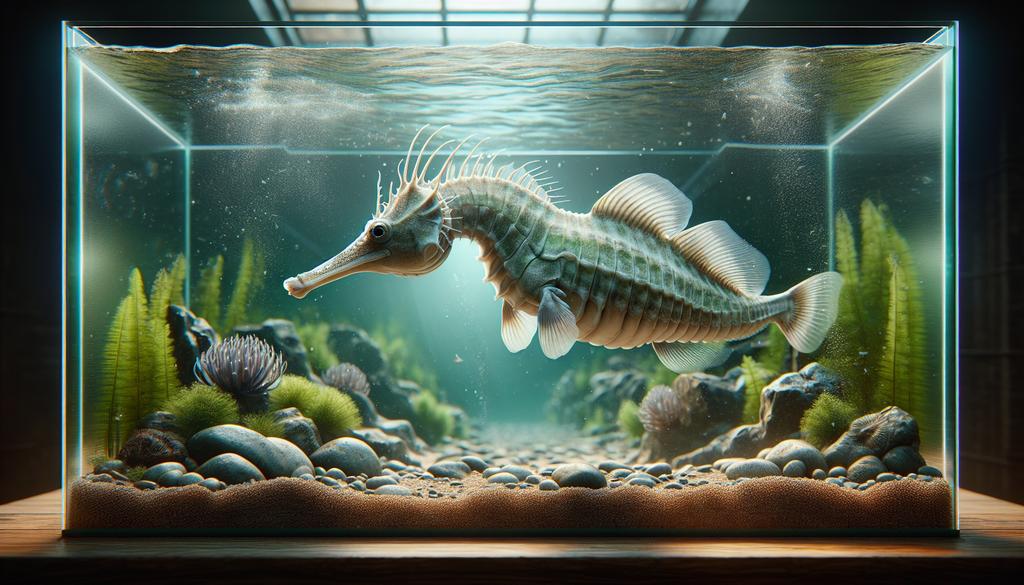
And yes—this includes understanding why some animals (like the Yellow Seahorse, Hippocampus kuda) are usually a poor match for a first aquarium. They’re a good reminder that in fishkeeping, slow and steady beats “set it up today, add something cool tonight.”
What you’ll learn (and decide) before buying livestock
- How to choose a tank size that stays stable (and feels easy, not fragile)
- A simple, realistic way to cycle a tank without losing fish
- How to pick compatible fish and avoid overstocking traps
- The “new tank problems” you can expect—and how to fix them fast
Why it matters to a hobbyist
Most beginner failures aren’t “bad luck.” They’re predictable: rushed cycling, tanks that are too small to buffer mistakes, and stocking choices that don’t match real-world behavior. The goal is to make your first setup forgiving, so learning is fun instead of stressful.
Practical decisions this article should help with
By the end, you should be able to choose a tank size and basic equipment, pick sensible first fish, and follow a week-by-week plan for your first month without panicking every time the water looks slightly weird.
Pick a Tank Size That Forgives Mistakes (and Stays Stable)
Why bigger is often easier (stability, temperature swings, dilution of waste)
A larger tank dilutes problems. In a small volume of water, one extra pinch of food, one missed water change, or a heater glitch can swing water quality fast. In a bigger tank, those same mistakes happen more slowly, giving you time to test, adjust, and recover.
Stability isn’t just about chemistry. Larger tanks tend to hold temperature more steadily, and fish have more room to avoid each other—both of which reduce stress.
Common beginner tank sizes and what they’re realistically good for
- Small tanks: Can work, but require tighter routines. Stocking options are limited, and parameter swings are more common.
- Mid-size community tanks: Often the sweet spot for beginners—more stable, plenty of fish choices, and easier to maintain without micromanaging.
- Larger tanks: Great stability, but they need more space, more water for changes, and more planning for stands, power, and long-term stocking.
Pick the largest tank you can reasonably place, maintain, and afford to run. “Reasonably” matters—an oversized tank you neglect is worse than a modest tank you care for consistently.
Space, weight, and placement basics (level stand, away from windows, access to outlets)
Aquariums are heavy once filled. Use a stand designed for aquariums (or a truly solid, level surface), and check for wobble before adding water. Keep the tank away from direct sunlight from windows; it’s a common trigger for algae and temperature swings.
Plan for outlets, drip loops on cords, and space behind/around the tank to service the filter and heater without having to move everything.
Freshwater vs saltwater reality check for first-timers (maintenance expectations, cost isn’t the only factor)
Freshwater is typically more forgiving and cheaper to get stable. Saltwater can absolutely be done by beginners, but it usually demands stricter attention to mixing water properly, keeping salinity stable, and understanding the extra ways things can drift.
Species like seahorses (including Hippocampus kuda) add another layer: they often need specialized feeding, calmer tankmates, and a setup designed around their behavior. For most first tanks, it’s smarter to build basic skills with a hardy freshwater or simple marine setup before tackling specialty animals.
Equipment That Actually Matters (and What’s Optional)
Filtration explained like a hobbyist (mechanical, biological, chemical—what each does)
Think of filtration as three jobs:
- Mechanical: Catches visible gunk—fish waste, plant debris, leftover food.
- Biological: The most important part. This is where beneficial bacteria live and convert toxic waste into less harmful forms.
- Chemical: Optional media (like carbon) that can remove certain dissolved compounds. Useful sometimes, not mandatory for a healthy tank.
Beginners often over-focus on “polishing” water while neglecting biological stability. Prioritize steady biological filtration and gentle, consistent maintenance.
Heater and thermometer: when you need them and how to avoid cooking/ chilling fish
If you keep tropical fish, you usually need a heater and a thermometer. The heater sets the target; the thermometer confirms reality. Don’t trust a dial blindly—check it.
Place the heater where there’s water movement (often near the filter flow) to reduce hot spots. Sudden temperature changes stress fish quickly, so aim for steady conditions rather than chasing the “perfect” number.
Lights: choosing for fish-only vs planted tanks (and avoiding algae-farm schedules)
Fish-only tanks don’t need intense lighting. Planted tanks do—but more light isn’t always better. Beginners commonly run lights too long, which fuels algae before plants are established.
A practical approach: start with a shorter, consistent photoperiod and increase slowly only if plants are healthy and algae is controlled.
Substrate + hardscape: how choices affect cleaning, plants, and fish behavior
Substrate affects everything from cleaning to plant growth. Gravel is easy to vacuum; sand can look natural and suit certain fish, but it can show debris differently and needs a gentler cleaning approach.
Add hardscape (rocks, wood) and plants with intention. Fish use cover to feel secure, and line-of-sight breaks reduce aggression. Just leave yourself room to maintain the tank without dismantling it every week.
Water conditioner and basic test kit: the minimum tools for not guessing
At minimum, plan on:
- Water conditioner to neutralize disinfectants in tap water.
- A test kit that measures ammonia, nitrite, and nitrate.
Testing isn’t about obsessing; it’s about knowing whether you have a real problem or just “new tank weirdness.”
Cycling Without the Mystery—What “Cycled” Really Means
The nitrogen cycle in plain language (ammonia → nitrite → nitrate)
Fish waste and decomposing food create ammonia, which is toxic. Beneficial bacteria convert ammonia into nitrite (also toxic), and then into nitrate (less toxic, managed with water changes and plant growth).
A “cycled” tank has enough beneficial bacteria to process waste consistently so ammonia and nitrite don’t spike when you feed and stock normally.
Fishless cycling overview (what you’re trying to grow and why it takes time)
Fishless cycling means providing an ammonia source without exposing fish to toxic conditions. Your job is to feed the bacteria (not the fish) until the tank can process waste reliably.
It takes time because you’re growing living colonies. Quick fixes can help, but even then you should verify progress with testing rather than trusting timelines.
What to test, and what numbers mean in real life (and what “safe enough” looks like)
In real life, the most useful beginner read is this:
- If you detect ammonia or nitrite after adding fish, treat it as urgent—reduce feeding and do water changes.
- Nitrate rising over time is normal; water changes keep it from creeping up.
“Safe enough” means ammonia and nitrite stay at zero on a stable, stocked tank, and nitrate stays manageable with your routine.
A realistic cycling timeline (what usually happens week-by-week)
Many beginners see a pattern like this:
- Week 1: Water looks clear, tests may show little at first, then ammonia begins to appear once a waste source is present.
- Week 2: Nitrite often shows up as the first bacteria group gets going. This is a common “why are my fish struggling?” period in rushed setups.
- Week 3–4+: Nitrite drops as the next bacteria group establishes, and nitrate becomes the main accumulating end product.
Actual timing varies with temperature, oxygenation, how the filter is set up, and whether you seeded bacteria from an established tank. Use the timeline as a mental map, not a promise.
The two fastest ways beginners accidentally crash a cycle (overcleaning media, overfeeding)
- Overcleaning filter media: If you scrub or replace the media too aggressively, you throw away the bacteria you were trying to grow.
- Overfeeding: Extra food becomes extra waste. In a new tank, that can overwhelm the developing bacterial colony quickly.
Water Parameters Beginners Should Care About (and Ones to Stop Obsessing Over)
The big three: ammonia, nitrite, nitrate—targets and red flags
For beginners, water quality success is mostly about controlling waste:
- Ammonia: a red flag if present in an established tank; take action quickly.
- Nitrite: also a red flag; indicates incomplete cycling or a cycle disruption.
- Nitrate: expected to rise; manage it with water changes and sensible stocking/feeding.
Temperature ranges and stability (why “consistent” beats “perfect”)
Fish generally cope better with a consistent temperature than with constant adjustments. Pick livestock that matches what you can maintain reliably, then keep swings small—especially overnight or during seasonal room-temperature changes.
pH, GH, KH simplified: what they are and when they matter
pH is acidity/alkalinity. GH is general hardness (minerals like calcium/magnesium). KH is carbonate hardness, which helps buffer pH swings.
These matter most when you’re keeping species with specific needs or breeding goals. For a first community tank, it’s often better to choose fish that fit your tap water than to chase a “perfect” pH with constant additives.
Tap water reality: what to do if your water is hard/soft (without chasing numbers)
Start by learning your baseline tap water. If it’s hard, consider hard-water-friendly community fish. If it’s soft, lean toward soft-water-tolerant species. Stability beats constant tinkering.
If your tap water is extreme (very soft, very hard, or unstable), you can still succeed—but treat changes as a plan, not a reaction. Make adjustments slowly and test as you go.
Water changes: how much, how often, and how to avoid shocking fish
Water changes are your safety net. A simple rule: do smaller, consistent changes you can actually stick with, and adjust based on test results and how heavily stocked the tank is.
To avoid shocking fish, match temperature reasonably, use conditioner, and avoid huge swings in parameters. Consistency is the goal.
First Stocking Plan: Start Slow, Stay Compatible
How to pick beginner fish that match your tank size and water (no “impulse buys”)
Pick fish based on the tank you have, not the tank you wish you had. Before buying, know:
- Adult size (not the tiny store size)
- Temperament and activity level
- Temperature needs
- Whether they must be kept in a group
Impulse buys often become long-term problems—either for water quality, aggression, or simply lack of space as fish grow.
Temperament and territory basics (why “peaceful” fish still fight)
“Peaceful” doesn’t mean “never aggressive.” Fish may guard areas, chase during feeding, or bully weaker tankmates when hiding spots are limited. Crowding and poor layout amplify this.
Build in cover and visual barriers, and avoid mixing species with very different activity levels or feeding styles.
Schooling/shoaling needs and why “just two” rarely works
Many schooling fish feel safest in proper groups. Keeping too few can make them skittish, hide constantly, or become nippy. Plan for a group size your tank can support, or choose a species that doesn’t rely on schooling behavior.
Stocking levels and bioload: how to avoid the “it looked fine at the store” problem
The store tank has heavy filtration and constant turnover; your home tank doesn’t. Stocking should reflect your filter capacity, your maintenance routine, and the fact that fish grow.
When in doubt, understock and add slowly. It’s easier to add fish later than to “undo” a tank that’s chronically struggling with waste.
Clean-up crews and algae eaters: what they can (and can’t) do
Algae eaters and scavengers aren’t a substitute for maintenance. They help with leftover food and certain algae types, but they still produce waste and have their own care needs.
If algae is a problem, fix the cause (light, nutrients, feeding) rather than expecting an animal to solve it alone.
Feeding and Weekly Care That Keeps the Tank Looking Good
How much to feed (the beginner overfeeding trap)
Overfeeding is one of the fastest ways to create cloudy water, algae, and ammonia spikes. Feed small portions and watch what actually gets eaten. If food hits the bottom and sits there, you’re feeding too much or using the wrong type for your fish.
Food types: flakes/pellets/frozen—what’s worth using and when
A mix of foods usually works better than relying on one type forever. Flakes and pellets are convenient staples. Frozen foods can improve variety and condition for many fish.
Use what your fish can eat cleanly. The “best” food is the one that gets consumed without turning into waste.
A simple weekly routine (water change, glass, substrate, filter check)
- Do a water change on a consistent day.
- Wipe the glass if needed.
- Lightly vacuum the substrate (especially where debris collects).
- Check equipment: heater running, filter flow normal, no unusual noises.
This routine beats occasional deep cleans. Your tank likes steady, boring maintenance.
Filter maintenance without killing beneficial bacteria (what to rinse, what not to replace)
When filter media clogs, rinse it gently in removed tank water (not untreated tap water). Avoid replacing all media at once. If you must replace something, do it in stages so bacteria populations can recover.
Signs your routine is working (clear water, stable tests, normal fish behavior)
Look for steady, repeatable results: fish are active (or calmly resting, depending on species), feeding normally, and not gasping. Water tests are consistent, and algae growth is manageable instead of explosive.
Common Beginner Mistakes (and How to Fix Them Fast)
Cloudy water: bacteria bloom vs debris vs algae (quick diagnosis)
Cloudy water has a few common causes:
- White/gray haze: often a bacterial bloom in a new tank. Usually improves as the tank matures—avoid overreacting.
- Particles floating: debris stirred up from substrate or insufficient mechanical filtration. Improve mechanical media and let the tank settle.
- Green water: free-floating algae driven by excess light and nutrients. Reduce lighting and review feeding and water-change habits.
New fish dying in the first week: likely causes (cycling, acclimation, stress)
Early losses are often linked to uncycled tanks, rapid parameter swings, rough acclimation, or stress from transport and bullying. If this happens, stop buying more fish, test water immediately, and stabilize conditions with water changes and reduced feeding.
Algae takeover: light schedule, feeding, nutrient balance, and patience
Algae is normal in young tanks, but it shouldn’t be winning constantly. Shorten the light period, avoid direct sun, feed less, and stay consistent with water changes. Many tanks simply need time to mature—especially planted tanks as plants establish and begin competing for nutrients.
“I cleaned everything and now the tank is worse”: what happened and the recovery plan
Deep-cleaning the filter and scrubbing decorations can remove beneficial bacteria, leading to a mini-cycle. Recovery plan:
- Test ammonia/nitrite daily for a short period.
- Do water changes as needed to keep fish safe.
- Feed lightly.
- Let the filter run and avoid further major cleaning until stability returns.
Aggression out of nowhere: stocking order, hiding spots, and rehoming reality
Aggression often appears after fish settle in, mature, or establish territory. Add hiding spots, break lines of sight, and consider changing stocking order in future setups. Sometimes the realistic solution is rehoming a problem fish—especially if the tank is too small for the species’ adult behavior.
Before You Add Any New Fish: A Simple Buying + Quarantine Checklist
What to look for at the store (fin condition, breathing rate, spots, behavior)
- Clear eyes, intact fins (not ragged or clamped)
- Normal breathing (not rapid or gasping)
- No obvious white spots, sores, or fuzzy patches
- Alert behavior and interest in food (when feeding is observed)
Also glance at the other tanks. If multiple tanks show sick fish, be cautious—pathogens don’t respect tank dividers in many systems.
Why quarantine matters (and what it prevents in a real home tank)
Quarantine prevents you from importing disease and parasites into your main tank, where treatment is harder (especially with plants, invertebrates, or sensitive species). It also gives new fish time to de-stress, eat well, and show symptoms before they’re mixed with established fish.
Even a simple quarantine setup can be effective: a bare-bottom tank, a heater if needed, basic filtration, and a place to hide.
Basic acclimation options (float vs drip) and what actually reduces stress
Float method helps match temperature. Drip acclimation can be useful when there’s a bigger difference in water chemistry. What reduces stress most is gentle handling, dim lights, and not dumping store water into your tank.
After acclimation, give fish time. Don’t chase them with nets, don’t rearrange the tank the same day, and feed lightly at first.
The “additions” rule: how many fish to add at once without spiking waste
Add new fish in small waves so your biofilter can adjust. Adding “the full stock list” in one day is a common way to overload a new cycle, even if your tests looked fine the week before.
Where to put the internal “learn more” link naturally (end of this section as next-step reading)
If you’re curious why specialty animals demand slow, stable systems and careful feeding routines, use that as motivation to master the basics first—then move up to more challenging species when your tankkeeping habits are solid.
Quick Answers: Troubleshooting by Symptom (Fast Reference)
Fish gasping at the surface
First, increase aeration and surface movement. Then test for ammonia/nitrite. Also check temperature—warm water holds less oxygen. If you recently used medications or cleaned heavily, consider that oxygen levels and bacteria balance may be off.
Sudden ammonia/nitrite reading
Do a partial water change, reduce feeding, and stop adding fish. Check if you recently replaced filter media, cleaned too aggressively, or had a dead fish/snail hidden in the tank. Retest later the same day and again the next day to track direction.
Fish hiding all day
New fish often hide at first, but persistent hiding can mean stress: too much light, no cover, aggressive tankmates, or poor water quality. Provide hiding spots, reduce lighting temporarily, and verify ammonia/nitrite are at zero.
White spots vs fuzzy patches vs torn fins (what to do first: isolate, test, observe)
Start with the basics before treating blindly:
- Isolate affected fish if possible (quarantine tank helps here).
- Test water for ammonia/nitrite; fix environmental stress first.
- Observe progression and behavior (appetite, breathing, flashing/scratching).
Many issues worsen because water quality is off, not because the “wrong medicine” was chosen.
Plants melting in a new tank (when it’s normal vs a true problem)
Some melt is normal as plants transition from emersed (grown above water) to submerged growth. New leaves often look better than the old ones. It’s more concerning if everything decays rapidly, stems turn mushy, or algae smothers new growth—often tied to unstable conditions, too much light, or inconsistent nutrients.
FAQs
- How long does it take to cycle a beginner aquarium?
-
Often a few weeks, but it varies. Track progress with ammonia, nitrite, and nitrate tests rather than relying on a calendar.
- What’s the best tank size for a first aquarium if I want easy maintenance?
-
A tank that’s large enough to stay stable but small enough to maintain consistently. In practice, many beginners find mid-size community tanks easier than tiny tanks because water quality swings are slower.
- Can I add fish the same day I set up a new tank?
-
It’s risky because the biofilter isn’t established. If you do, you’re essentially doing a “fish-in cycle,” which requires careful testing, very light feeding, and frequent water changes to protect the fish.
- How often should I change water in a new aquarium?
-
Do water changes often enough to keep ammonia/nitrite at zero (once stocked) and nitrate from creeping up. Many beginners succeed with a consistent weekly change and adjust based on test results and stocking level.
- Do I need a quarantine tank for beginner fish?
-
It’s not strictly required, but it’s one of the most practical “stress reducers” in the hobby. It lets you observe new fish and treat problems without risking the main tank.
- Why is my new tank cloudy and how long will it last?
-
Cloudiness is commonly a bacterial bloom or stirred debris in a new setup. It often improves as filtration and the cycle mature. Avoid overcleaning; focus on stable testing and routine maintenance.
- How do I know if I’m overstocked?
-
Common signs include rising nitrate despite regular water changes, frequent algae issues, stressed fish behavior, and ammonia/nitrite readings after feeding or after adding fish. If the tank feels like it needs “constant rescue,” stocking is often part of the problem.
Next step: Once your first tank is stable for a couple of months, start comparing care needs for more specialized animals (including calm feeders and species with strict compatibility requirements) before you commit to them.
If you want, list your tank size, filter type, and a few fish you like—and build a slow stocking plan around stability first.