How to Feed Your Anemones in Under 5 Minutes
There are a few different Anemonies that you can house in a tank which include Bubble Tips, long tentacles, Carpets, Rock Flowers, Sebaes, and Condylactis.
The Anemone
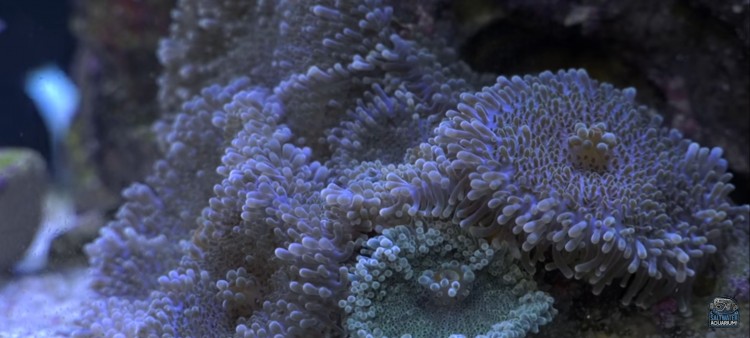
The biology of each of these anemones is fairly similar. They are all going to have an oral disc in the center of the body which serves as their mouth for eating as well as an exit for waste.
They also have a pedal disc which is essentially their foot that they use to move and hold themselves in place. The column of an anemone is basically everything else you see on the coral. You can see it stretch out on some anemones like the Rose Bulbs, or you can see it completely flat like is on a Flower-Rock anemones.
This helps the anemones expand and shrink to better suit their needs. And of course, you have the tentacles. They can be long and stringy or tiny little circles. They all have nematocysts in them in order to string prey or deter predators. Beware, they can sting you too.
Anemones Diet
The first question that comes to mind is: are they photosynthetic? Which basically means they can feed off the lighting in your aquarium. And the answer is yes. They do have a symbiotic relationship with Zooxanthellae which live within the Anemonie’s tissues and provide nutrients to the Anemone through photosynthesis. So, if you have some high-out LEDs, they’ll keep the Anemonies very healthy and have plenty of nutrients for them to survive.
But, an anemone is also a carnivore that loves to eat some meaty food. We recommend raw shrimp. You can usually buy a bag at the grocery store. Just get plain raw shrimp. Thaw a piece of shrimp in some of your tank saltwater and then cut them up into smaller pieces.
The mouth of a large Rose-bud anemones is only about as big as a quarter. For some Carpets and Flower-Rocks its even smaller. You simply want to drop the piece of shrimp right over the mouth of the anemones and you’ll see that the bodies and tentacles of the anemones quickly close around that piece of food. It can also be fit to drop it on the outside tentacles and you can watch it slowly carry the food towards the mouth.
If the Anemone is given too big a piece of food, it will eventually spit out what it did not want to eat, which if that is left in the tank, can quickly cause some issues with your Ammonia and Nitrates.
Feeding Anemones
You will know the Anemone is full if you are feeding too often if they are spitting out food.
The digestion of the food in an Anemone is not super-fast. When first feeding them, start with once a week. Outside that, they’ll get food from the light and get any food that drops during the feeding time with your fish.
The Anemone can also consume liquid coral food. When digesting, the Anemone will look deflated – smaller tentacles, shrunk up, hiding in the cave where the food is. By the next day, they’ll get as good as new. The Anemone can sting you, so stay aware.
If you have a Clownfish that’s bonded with your Anemone, get ready because they’ll be able to pitch in and feed the coral as well. They are very territorial with the coral.
So, if you have an Anemone, you don’t necessarily need to feed them by hand. However, it is recommended. The feeding will result in size growth, faster splitting to produce more Anemone, better health, and their color will just look better when they have a meaty diet.