
Mandarin Shrimp
Neocaridina sp
Freshwater Invertebrate
Species Group: Shrimp
Family: Atyidae
Log in or create an account to add this species to your tanks.
Water parameters
Water parameters are being added.
About Mandarin Shrimp
General information
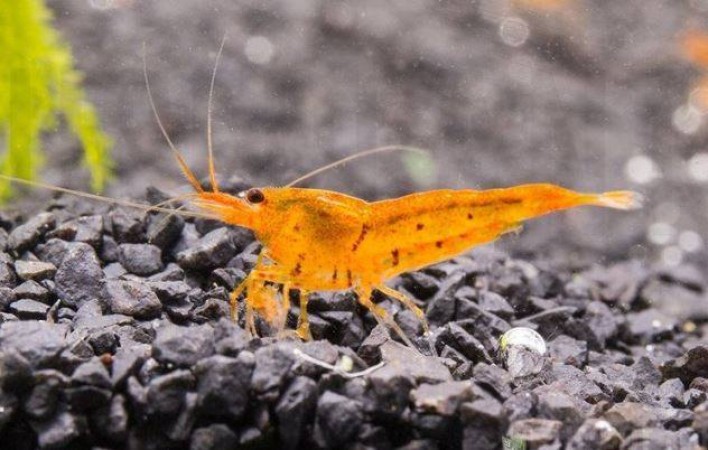
The Mandarin Shrimp is a magnificent ornamental shrimp with striking coloration. Like a living gemstone, the Mandarin Shrimp injects rich color to the aquarium environment. Similar to other Neocaridina shrimp, the Mandarin Shrimp offers the invaluable service of cleaning aquariums of algae and organic debris. Brilliant orange coloration and the curious movements of this busy little shrimp deliver visual interest sure to liven up any peaceful freshwater aquarium.It can withstand a pretty wide range of water parameters, and their life expectancy can be up to 2 years if they are kept well. Average size is between 1 – 1.5 inches.
The Mandarin Shrimp and other Neocaridina shrimp are extremely popular thanks to their interesting personality and a healthy appetite for all kinds of freshwater algae. Though the Mandarin Shrimp is a highly adaptable shrimp, it prefers an established freshwater aquarium of at least 10 gallons with plenty of hiding places, sufficient amounts of algae on which to feed and a mature substrate. Good filtration and high water quality are ideal. The Mandarin Shrimp thrives in planted aquariums where food and shelter are abundant. A dedicated shrimp aquarium makes care for the Mandarin Shrimp easier and provides an exceptional conversation piece. To dramatically emphasize the gorgeous coloration of the Mandarin Shrimp, aquascape your aquarium with the dark-colored substrate.
Mandarin Shrimp are tolerant to a fairly wide range of water parameters, making them excellent for pairing with other species. As long as the shrimp are acclimated properly to your chosen parameters and are not subjected to extreme changes in temperature or acidity, they are adaptable and resilient. They will tolerate soft or hard water. The ideal water parameters are 70°-85° F with 6 to 7.5 pH and 3-10 dKH. However, as mentioned, you may keep them outside of these parameters as long as the shrimp are protected from extreme or frequent fluctuations.
Once established in its new home, this active freshwater shrimp is predominantly orange in color. Keep in mind that new arrivals demonstrate varying degrees of “orange.” The Mandarin Shrimp is often clear in appearance until it has properly acclimated and adjusted to its new environment.
Diet & nutrition
This shrimp is a scavenger and is very useful in planted and nano aquariums. The bulk of its diet is biofilm, algae, and decaying plant matter so it will work diligently to clean up the waste in any aquarium. It feeds constantly, so it displays constant activity. In a less mature aquarium, it should be fed high-quality flake and mini pellet dry foods with high algae/spirulina/plant content.
Determining sex
Female Orange Sakura Shrimp have slightly larger tails and display a “saddle” formation on the upper body, behind the head, where eggs are stored before fertilization. When female shrimp are “berried”, or have eggs ready for fertilization, the saddle shape will appear more prominent. Once the shrimp are fully-grown the males will be smaller than the females.
Breeding & spawning
Orange Sakura Shrimp are eager breeders given comfortable water parameters and a sufficient food source. Once the shrimp reach maturity, and if there are males and females present, they should breed naturally and frequently. It is recommended to purchase 8-10 shrimp to ensure that there are enough male-female pairs for successful breeding. When female shrimp have eggs available for fertilization, they will molt and release pheromones that the male shrimp respond to with frenzy. Once the shrimp breed, the eggs will gestate for about 2 weeks. The newly born shrimp will look like miniature adult shrimp and will feed on with the same food sources as their parents, and will molt frequently during their early life stages. Leave molted shells in the tank, as the shrimp fry will consume them for extra minerals like calcium that will help their growth. Keep in mind that if you are keeping shrimp with other species of fish, or possibly aggressive shrimp species, this may affect reproduction. If the shrimp feel threatened or don’t have places in your tank to hide they may not breed. It is important to keep them in a breeder aquarium with a sponge filter. This added precaution helps maximize survival of young shrimp.
Cautions
Avoid any food product, medication, or plant fertilizer that contains Copper of any form. Copper is toxic to invertebrates. Many commercial fish foods, medications, and plant fertilizers contain copper or more commonly copper sulfate. Always look at the ingredient list for any product going into the aquarium to ensure they are copper free.
All photos
Tap a photo to open the gallery viewer.