
Pederson Cleaner Shrimp
Periclimenes sp
Saltwater Invertebrate
Species Group: Shrimp
Family: Palaemonidae
Log in or create an account to add this species to your tanks.
Water parameters
Temp
76-80 F
Temperature
Maintaining a stable and appropriate temperature is critical for the survival of aquatic life.
pH 7.8 - 8.4 potential of HydrogenMeasuring the acidity or alkalinity of water on a 0–14 scale, where 7 is neutral, 7 is alkaline.
NO3 1-20 ppm NitrateWhile less toxic than ammonia, high nitrate levels (above 40–80 ppm) are important to monitor because they can cause fish stress, stunted growth, and harmful algae blooms.
NO2 <0.0001 ppm NitriteIt is a highly toxic, intermediate compound in the nitrogen cycle produced from broken-down ammonia
PO4 0.01 - 0.1 ppm PhosphateIt is essential for plant development but must be managed, as excess levels trigger nuisance algae blooms and inhibit coral calcification.
NH3 <0.1 ppm AmmoniaIt is the primary killer of aquarium fish, causing gill damage, stress, and death
Ca 380 - 450 ppm CalciumSupporting the growth, skeletal structure, and shell formation of corals, mollusks, crustaceans, and coralline algae
KH 8 - 12 dKH AlkalinityIt acts as a shield, neutralizing acids to prevent dangerous pH "crashes" that can harm fish, corals, and plants.
Mg 1200 - 1400 ppm MagnesiumIt enables coral growth by supporting skeletal formation, assists in metabolic processes, and ensures that calcium is available for corals, clams, and coralline algae.
SG 1.023 - 1.026 SG SalinityEssential for maintaining stable, natural water parameters, proper osmoregulation, and stress-free environments for marine fish and corals
ORP 250 - 400 mV Oxidation-Reduction PotentialA higher positive mV indicates clean, oxygen-rich water with high water quality, while low readings indicate high pollution.
About Pederson Cleaner Shrimp
General information
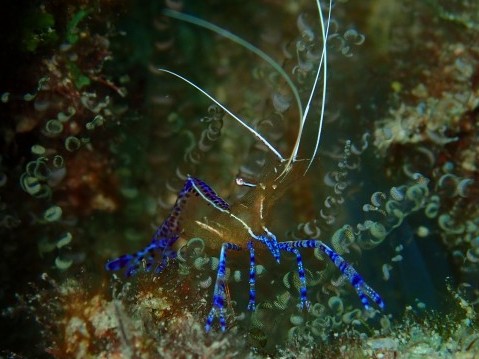
The Pederson cleaner shrimp, also known as the Caribbean Anemone Shrimp is endemic to strictly the Western part of the tropical Atlantic and Caribbean oceans at depths of 10-60 feet. They are a clear brown color with beautiful purple and blue markings on the body and long white antennae. Their front claws are very large and are also adorned with the same purple and blue patterns.
These shrimp also act as cleaner shrimp. They wave their antennae and sway their bodies to attract fish or “fingers” to clean. They lure fish into their surroundings using their large antennae and will climb onto the fish to clean parasites from them. Many fish will even allow them to clean the inside of their mouths.
They will thrive at an aquarium about 30-gallon size. The temperature between 73-81 deg F and water chemistry with 1.020-1.025 sg, pH between 8.1-8.4 is necessary. The Pederson Cleaner shrimp do best in a reef aquarium with plenty of live rock for foraging and hiding. They will form a relationship with many species of anemone, but this is not required for the health and well being of the shrimp. The Pederson Cleaner shrimp live in association with a sea anemone, either Bartholomea Annulata or Condylactis Gigantea living among the tentacles with impunity.
It is a small shrimp with approximately 0.75 to 1 inch, so if you have fish such as triggerfish, groupers, wrasses, and snappers, they will probably get eaten so, adding them to systems with that type of fish is not recommended. Seahorses may also eat them. They are reef safe and would be a great addition to any reef tank, especially a nano tank that has limited space.
As these shrimp grow, they will molt every now and again, and you may find their exoskeletons in the tank. They are quite vulnerable for a few days once they have shed their exoskeleton, and may hide away until the new shell hardens. Crustaceans benefit from iodine and mineral supplements to help form a healthy, hard exoskeleton. Regular water changes with high-quality salt mix usually provide enough, but extra supplements may be needed in reef tanks or in tanks with heavy invertebrates loads that use up iodine and other minerals rapidly. If water changes with new, fresh saltwater are not done regularly, the minerals also get depleted and nitrates accumulate and can also be detrimental to crustaceans and other invertebrates.
Diet & nutrition
The shrimp offers cleaning services to passing fish and attracts their attention by lashing its antennae about. Fish visiting the cleaning station will remain stationary while their external parasites are removed and eaten by the shrimp, which even cleans inside the gill covers and the mouth. Although these shrimp do like to nibble the ectoparasites off larger fish in the wild, they do not depend on them for their sole source of food and will easily thrive on almost any kind of food available to them.
In the aquarium, it will eat most meat or fish-based diets. They feed on parasites, algae, and plankton. During feeding times they will actively swim to the surface and take food from your hand, so they are a lot of fun to care for once they get settled into your routine.
They will need iodine and other minerals during molting times.
Determining sex
They are Hermaphroditic.
Breeding & spawning
Cleaner Shrimp regularly fill with eggs in the home aquarium, but raising the larvae is extremely challenging - mainly due to predation by tankmates, strong currents sucking them into the filtration system, and difficulty in feeding them with appropriately sized foodstuffs such as phytoplankton.
Origination
Pederson Cleaner Shrimp is endemic to strictly the Western part of the tropical Atlantic and Caribbean oceans.
Cautions
As with other invertebrates, do not use copper-based medications if you have Cleaner Shrimp in the tank. They also will not tolerate high nitrate level.
Acclimation process
Acclimatise slowly and carefully, preferably using the drip method.
All photos
Tap a photo to open the gallery viewer.