
Peacock Bass
Cichla orinocensis
Freshwater Fish
Species Group: New World Cichlids
Family: Cichlidae
Log in or create an account to add this species to your tanks.
Water parameters
Water parameters are being added.
About Peacock Bass
General information
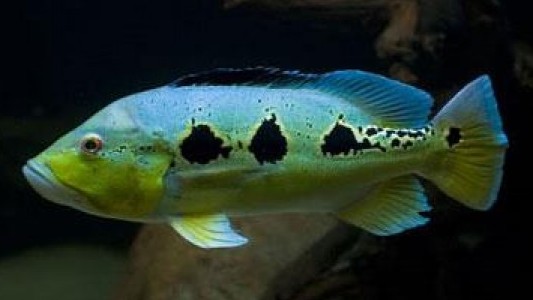
Peacock Bass, also known as Orinoco Peacock Bass, are large and aggressive predatory fish native to South America. They are popular among anglers due to their fighting ability and beautiful colors. Peacock Bass can reach up to 30 inches in length and weigh over 20 pounds.
Diet & nutrition
Peacock Bass are carnivores and feed on smaller fish, crustaceans, and insects. In captivity, they can be fed a diet of live or frozen fish, shrimp, and other meaty foods. It's important to avoid overfeeding as Peacock Bass are prone to obesity.
Determining sex
Male Peacock Bass are typically larger and more colorful than females, especially during breeding season when they develop nuchal humps on their foreheads. Females have a rounder body shape and a less vibrant coloration.
Breeding & spawning
Peacock Bass are substrate spawners, meaning they lay their eggs on a hard surface such as a rock or log. Breeding can be difficult in captivity as they require specific water conditions and a large breeding area. Males are known to guard the eggs and fry aggressively.
Diseases
Peacock Bass are generally hardy fish but can be susceptible to parasitic and bacterial infections. It's important to maintain good water quality and avoid overcrowding to prevent disease.
Origination
Peacock Bass are native to the Amazon and Orinoco River basins in South America.
Cautions
Peacock Bass are aggressive fish and should only be kept with similarly sized and aggressive fish in large aquariums. They are not suitable for community tanks with smaller, peaceful fish.
Acclimation process
When introducing Peacock Bass to a new tank, it's important to acclimate them slowly to avoid stress and potential health problems. The water temperature and pH should be gradually adjusted over a period of several hours.
All photos
Tap a photo to open the gallery viewer.