
Ectodus descampsii
Ectodus descampsii
Freshwater Fish
Species Group: African Cichlids
Family: Cichlidae
Log in or create an account to add this species to your tanks.
Water parameters
Water parameters are being added.
About Ectodus descampsii
General information
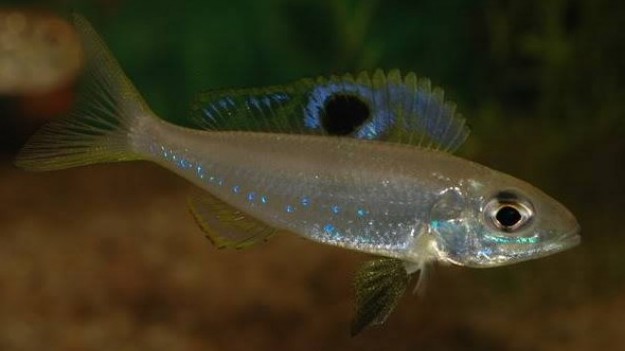
Ectodus descampsii, commonly known as the Ectodus or Tanganyika Butterflyfish, is a species of cichlid native to Lake Tanganyika in East Africa. It can grow up to 6 inches (15 cm) in length and has a relatively elongated body with a pointed snout. The body coloration is light blue-gray with vertical black stripes and spots.
Diet & nutrition
In the wild, Ectodus descampsii feeds primarily on small invertebrates such as insects and crustaceans. In captivity, they can be fed a variety of small live or frozen foods, as well as high-quality flakes and pellets.
Breeding & spawning
Ectodus descampsii is a substrate spawner, meaning it lays its eggs on a flat surface such as a rock or shell. The eggs are guarded and cared for by both parents. Breeding in captivity can be difficult due to the specific water parameters required and the tendency for the fish to be somewhat aggressive during spawning.
Diseases
Ectodus descampsii is generally hardy and not prone to many diseases, but like all fish, it can be susceptible to ich and other common ailments. Maintaining high water quality and a healthy diet is key to keeping this species healthy.
Origination
Ectodus descampsii is found in the rocky habitats of Lake Tanganyika, which is the second deepest lake in the world and is located in East Africa.
Cautions
Ectodus descampsii can be somewhat aggressive towards other fish, especially during breeding. It is best kept in a species-only tank or with other fish of similar size and temperament.
Acclimation process
When introducing Ectodus descampsii to a new aquarium, it is important to acclimate them slowly to the new water conditions. This can be done by floating the bag containing the fish in the tank for 15-20 minutes to allow the water temperatures to equalize, then gradually adding small amounts of the tank water to the bag every 10-15 minutes.
All photos
Tap a photo to open the gallery viewer.