
Emperor Cichlid
Boulengerochromis microlepis
Freshwater Fish
Species Group: African Cichlids
Family: Cichlidae
Log in or create an account to add this species to your tanks.
Water parameters
Water parameters are being added.
About Emperor Cichlid
General information
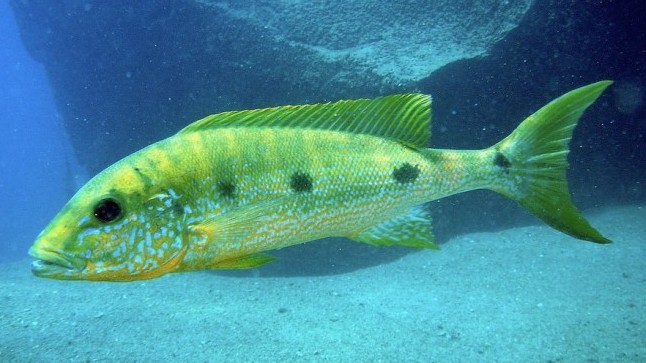
Emperor Cichlid, also known as Giant Cichlid, is a large, predatory freshwater fish species native to Lake Tanganyika in East Africa. They can grow up to 80 cm (31 in) in length and weigh up to 5 kg (11 lbs). Emperor Cichlids have an elongated, streamlined body with a silvery coloration that has horizontal dark bands running down their sides. They are known for their impressive size and aggressive behavior.
Diet & nutrition
In their natural habitat, Emperor Cichlids are opportunistic predators and feed on a variety of prey, including smaller fish, crustaceans, and insects. In captivity, they should be fed a varied diet of high-quality pellets, live or frozen foods such as krill, shrimp, and small fish.
Determining sex
Sexual dimorphism is not easily distinguished in Emperor Cichlids, but males are generally larger and more colorful than females. Males may also develop a nuchal hump on their forehead as they reach sexual maturity.
Breeding & spawning
Emperor Cichlids are substrate spawners, and in the wild, they will lay their eggs on rocky surfaces. In captivity, a breeding pair should be provided with a flat rock or slate to lay their eggs. The female will lay eggs, and the male will fertilize them. After hatching, the parents will move the fry to a pit in the substrate where they will protect and care for them.
Diseases
Like all fish, Emperor Cichlids are susceptible to a variety of diseases, including bacterial and fungal infections, parasitic infestations, and water quality issues. Maintaining good water quality and providing a healthy diet are crucial in preventing diseases. If any signs of illness are observed, prompt treatment is recommended.
Origination
Emperor Cichlids are native to Lake Tanganyika in East Africa.
Cautions
Emperor Cichlids are known for their aggressive behavior and can be territorial, especially during breeding. It is recommended to house them in a large aquarium with plenty of hiding places and to avoid keeping them with smaller, peaceful fish.
Acclimation process
Emperor Cichlids should be slowly acclimated to their new environment to prevent stress and shock. This can be done by floating the bag containing the fish in the aquarium for 15-20 minutes to allow the temperature to equalize before gradually adding small amounts of aquarium water to the bag over the course of an hour.
All photos
Tap a photo to open the gallery viewer.