
January tetra
Hemigrammus hyanuary
Freshwater Fish
Species Group: Tetras
Family: Characidae
Log in or create an account to add this species to your tanks.
Water parameters
Water parameters are being added.
About January tetra
General information
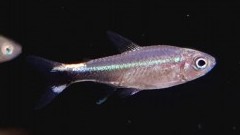
The January Tetra is a small, peaceful species that can reach an average size of 2.5 cm (1 inch). They are popular among hobbyists due to their striking appearance, featuring a bright gold and iridescent blue coloration on their body. These fish are native to the Amazon River Basin in South America and prefer to live in groups of at least six individuals in a densely planted aquarium with a dark substrate and subdued lighting.
Diet & nutrition
The January Tetra is an omnivorous species and will accept a wide variety of food. They should be fed a balanced diet consisting of high-quality flake or pellet food supplemented with frozen or live foods such as brine shrimp, daphnia, or bloodworms.
Determining sex
It can be challenging to differentiate between male and female January Tetras, but females are generally larger and plumper than males. During the breeding season, males may display more intense coloration and have a more streamlined body shape.
Breeding & spawning
Breeding January Tetras in captivity can be difficult, but it is possible with proper conditions. They require soft, acidic water with a pH of around 6.0-6.5 and a temperature of around 25-27°C (77-81°F). Spawning usually occurs in the early morning, with the female laying up to 200 eggs on plants or other surfaces. The parents should be removed after spawning to prevent them from eating the eggs.
Diseases
January Tetras are relatively hardy and resistant to disease when kept in optimal conditions. However, they may be susceptible to common freshwater diseases such as Ich or fungal infections if the water quality is poor or if they are stressed.
Origination
The January Tetra is native to the Amazon River Basin in South America, specifically Brazil, Peru, and Colombia.
Cautions
The January Tetra is a peaceful species and can be kept with other small, non-aggressive fish. However, they may be intimidated by larger or more aggressive fish and should not be kept with species that are known to nip at fins.
Acclimation process
When introducing January Tetras to a new aquarium, it is important to acclimate them slowly to prevent shock. Float the sealed bag containing the fish in the aquarium for 15-20 minutes to allow the water temperatures to equalize. Then, open the bag and add small amounts of aquarium water to the bag every few minutes until the water volume has doubled. After this, the fish can be safely released into the aquarium.
All photos
Tap a photo to open the gallery viewer.